Physical Address
304 North Cardinal St.
Dorchester Center, MA 02124
Physical Address
304 North Cardinal St.
Dorchester Center, MA 02124

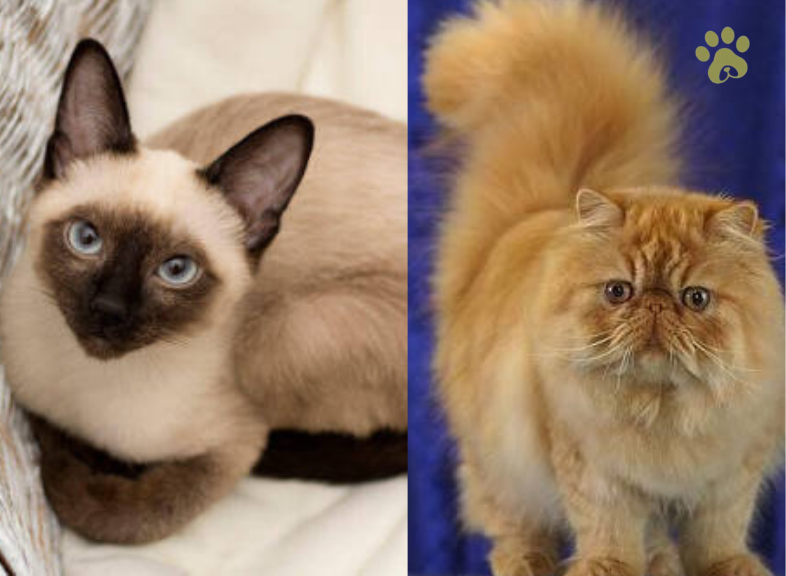
Shocking Fact: Over 90 Recognized Cat Breeds Exist
Let’s start with a surprise. The Cat Fanciers’ Association (CFA) recognizes about 45 breeds, but other registries like The International Cat Association (TICA) list up to 73 standardized breeds . Overall, you might find different types of cats numbering over 90 worldwide. That’s a lot of choices! This diversity means enormous variety in size, coat, and personality. For instance, the difference in weight between the smallest and largest domestic cat breeds is only about 5–10 pounds , yet their temperaments can be worlds apart.
The Pain Point: Why Choosing Blindly Leads to Regret
Here’s the reality many people face. They choose a cat based solely on appearance and later regret it. Their new pet’s energy, grooming demands, or vocal habits don’t match their life. I’ve seen friends surrender their pets because they couldn’t handle the mismatch. With over 220 million pet cats globally , ensuring the right fit is more important than ever. Don’t let this be you.
The Promise: Your Complete Roadmap to Every Major types of cats
By the end of this guide, you will understand the personality, care, and unique traits of every major types of cats breed. You’ll be equipped to choose a feline that genuinely fits your home, schedule, and family. Say goodbye to guesswork and hello to your ideal companion. Let’s explore the different types of cats.
Why “Types of Cats” Is Trending Right Now
Searches for “cat breeds” spike seasonally, particularly in spring and early summer when adoption rates rise. The global pet industry is booming, and people are shifting from impulse adoption to informed decision-making. Social media has also fueled interest in specific breeds like Bengals and Maine Coons. This guide is here to help you make that informed choice.
Who This Guide Is For
Clearing Up Common Myths
Let’s bust a few myths about the types of cats:
| Myth | Reality |
| “All cats are basically the same.” | Cat breeds differ enormously in temperament and care needs. |
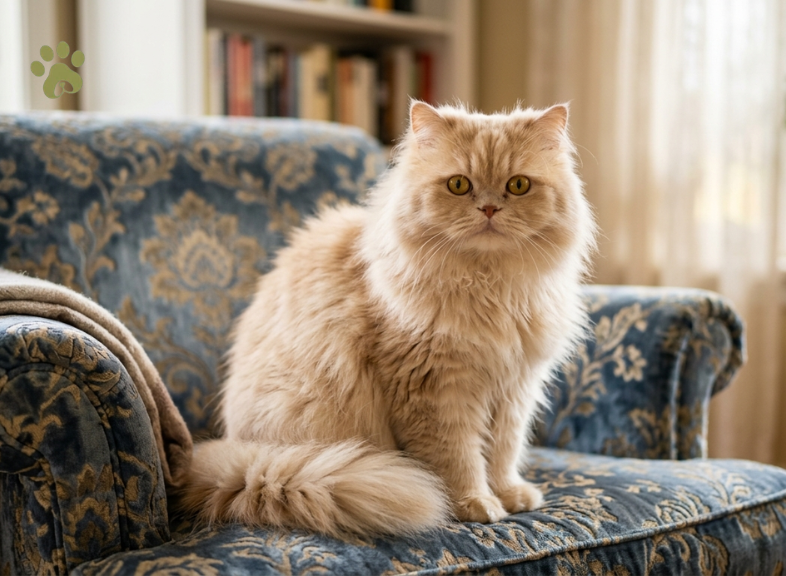
| “Long-haired cats are the only high-maintenance ones.” | Some shorthairs, like Persians, require daily grooming too. |
| “Mixed-breed cats have no breed traits.” | They have their own generalizations in size and coat. |
User Intent Behind “Types of Cats”
When you search for types of cats, you likely want to know breed differences to decide which to adopt or buy. You want a clear, comparative guide to personalities, grooming, and suitability for different households.
Primary Keyword + LSI Strategy
| Keyword Type | Keywords | Placement Strategy |
| Primary | Types of cats | Main heading, H2s, intro, conclusion |
| LSI 1 | Cat breeds | Section headings, breed descriptions |
| LSI 2 | Domestic cat breeds | Body paragraphs, comparison sections |
| LSI 3 | Cat breed personalities | Personality/behavior sections |
Definition: Cat breeds are categorized by physical traits like coat length, body type, and genetic lineage. Unlike dogs bred for specific jobs, cats are bred mainly for appearance .
Example: The Cat Fanciers’ Association recognizes about 45 breeds, while TICA lists 73 .
Actionable Tip: Research breed standards to understand why your cat looks and behaves a certain way. This knowledge helps you set realistic expectations.
Definition: These cats have short, muscular bodies, short legs, and round heads .
Example: Persian, Manx, and Burmese cats.
Data/Stat: Persians require at least 20 minutes of daily grooming due to their thick coats .
Actionable Tip: Consider cobby breeds like the Burmese if you want a relaxed, affectionate lap cat.
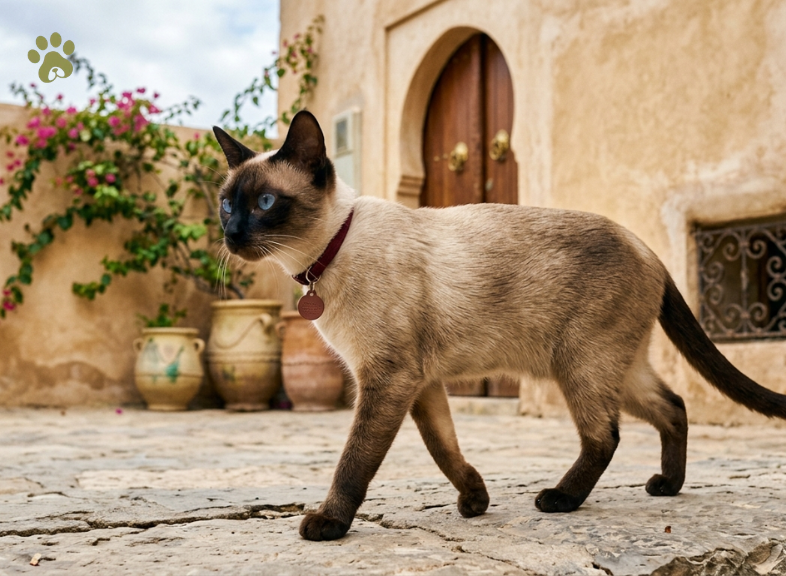
Definition: Foreign-types of cats are slender, athletic, with long tails and large ears .
Example: Siamese, Balinese, and Abyssinian.
Data/Stat: Siamese cats are intelligent and vocal—they will meow loudly if ignored .
Actionable Tip: These breeds thrive in active households with plenty of attention and playtime.
Definition: Medium-built cats, less slender than Foreign types, often with unique coats .
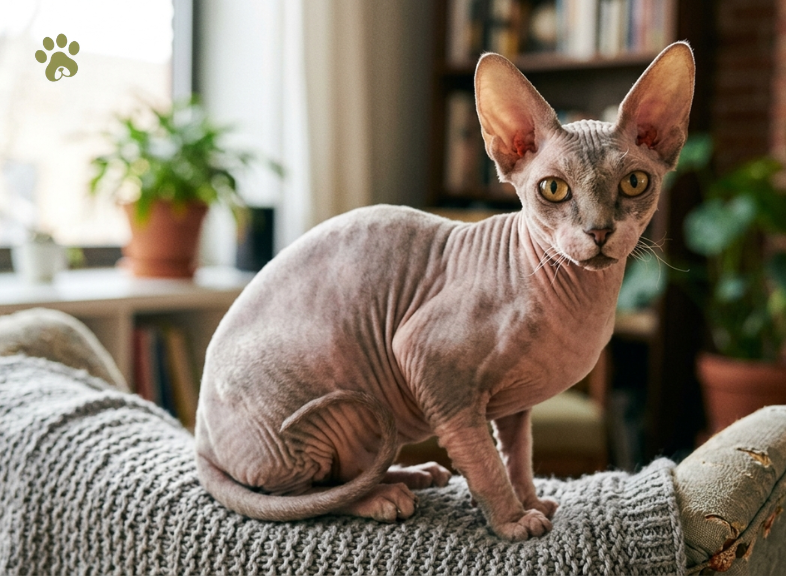
Example: Devon Rex, Egyptian Mau, and Sphynx.
Data/Stat: Rex breeds have curly, short fur due to a genetic mutation .
Actionable Tip: Perfect for owners who want a unique look but prefer moderate energy levels.
Definition: Stocky bodies, round heads, and short legs define this sturdy group .
Example: American Shorthair, British Shorthair, and Scottish Fold.
Data/Stat: British Shorthairs were developed from ordinary domestic cats in the 19th century.
Actionable Tip: These breeds are often independent yet affectionate—ideal for busy professionals.
Definition: Breeds with flowing coats requiring daily grooming.
Example: Persian, Himalayan, Maine Coon, and Ragdoll.
Data/Stat: The Maine Coon can weigh up to 25 pounds and has a thick, weatherproof coat .
Actionable Tip: Invest in high-quality grooming tools and establish a daily brushing routine. Check our guide on grooming for more tips.
Definition: Breeds with short, easy coats—the most common types of cats.
Example: Domestic Shorthair, Russian Blue, and Bengal.
Data/Stat: The weight difference between the smallest and largest domestic breeds is only about 5–10 pounds .
Actionable Tip: Short-haired breeds are ideal for first-time owners wanting minimal grooming.
Definition: Breeds with genetic mutations causing hairlessness or curly fur.
Example: Sphynx (hairless) and Devon Rex (curly).
Data/Stat: The Sphynx requires regular skin cleaning due to oil buildup .
Actionable Tip: These breeds need special skin care and are sensitive to temperature changes.
Definition: Less common breeds developed through cross-breeding.
Example: Bengal (domestic x Asian leopard cat) and Singapura.
Data/Stat: The Singapura is one of the smallest breeds .
Actionable Tip: Research breeders thoroughly to ensure ethical practices for rare breeds.
Definition: Mixed-breed cats, often categorized by fur length—domestic shorthair or domestic longhair .
Example: Most household cats fall into these categories.
Actionable Tip: Mixed-breeds often have hybrid vigor and fewer genetic health issues.
Definition: Breed-specific traits—from active and vocal to relaxed and reserved.
Example: Siamese (active, vocal), Ragdoll (gentle), British Shorthair (independent).
Data/Stat: Burmese cats are called “dog cats” because of their loyalty .
Actionable Tip: Match a breed’s personality to your daily routine. For families, consider breeds known to be good with children.
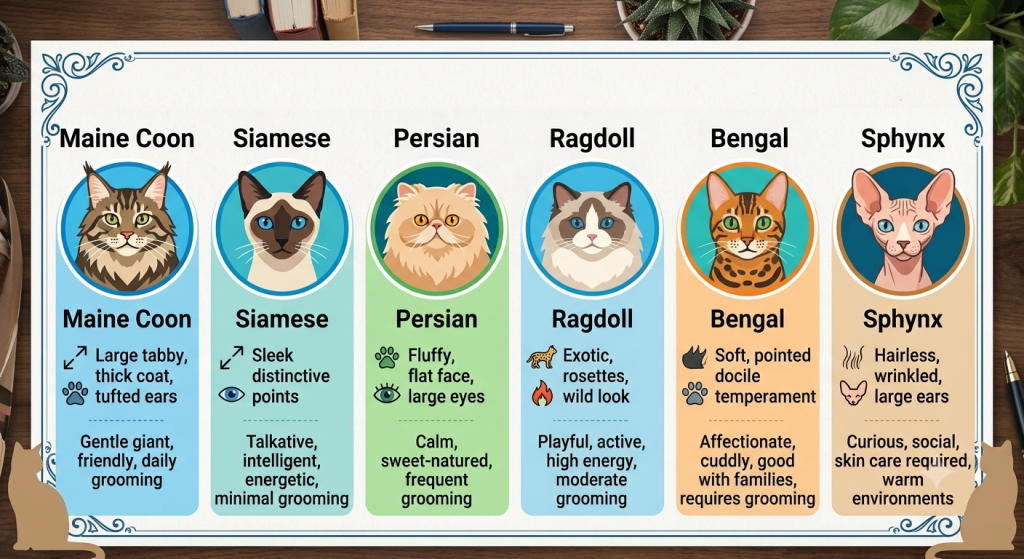
| types of cats | Grooming Level | Activity Level | Typical Weight | Best For |
| Persian | Very High (daily) | Very Low (couch potato) | 7–12 lbs | Quiet households |
| Siamese | Low | Very High (demanding) | 8–12 lbs | Active families |
| Maine Coon | High (weekly) | Moderate to High | 15–25 lbs | Homes with space |
| British Shorthair | Low | Moderate | 9–17 lbs | Busy professionals |
| Sphynx | Medium (skin) | High | 6–12 lbs | Allergy-sensitive |
| Ragdoll | Medium | Moderate (cuddly) | 10–20 lbs | Families with children |
Pros:
Cons:
Pros:
Cons:
| Aspect | Key Takeaways |
| Grooming | Long-haired cats need daily brushing; short-hairs need weekly. |
| Nutrition | Cats are carnivores—choose high-protein, meat-based foods. |
| Environment | Provide scratching posts, toys, and vertical spaces for exercise. |
| Health | Regular vet checkups and vaccinations are essential. |
| Mistake | Solution |
| Choosing a cat based solely on looks. | Research personality and care needs first. |
| Neglecting grooming for long-haired breeds. | Set a daily brushing routine. |
| Underestimating energy levels. | Match breed activity to your lifestyle. |
| Not using a scratching post. | Provide multiple posts to save furniture. |
Most people focus on appearance, but personality is key to a long, happy relationship. Spend time with the cat before committing—some are vocal, some are independent, some are “velcro” cats.
A cat that fits your current lifestyle may not suit your future. Think about major life changes—moving, children, job changes—and choose a breed that adapts well.
Responsible breeders screen for genetic conditions. Ask to see health certificates and never buy from breeders who don’t provide them.
How many types of cats are there?
Around 45 to 92 recognized breeds, depending on the registry .
What is the most popular types of cats?
Domestic shorthairs and longhairs are the most common, but Siamese and Persians are also highly popular .
Which cat breed is the friendliest?
Ragdolls and Maine Coons are known for being gentle, affectionate, and great with families .
What cat breed is best for first-time owners?
British Shorthairs and Ragdolls are low-maintenance and adaptable, ideal for beginners .
Are there hypoallergenic cats?
No cat is fully hypoallergenic, but Sphynx and Devon Rex shed less and produce fewer allergens .
What is the rarest cat breed?
The Sokoke, Kurilian Bobtail, and Singapura are among the rarest.
What is the largest cat breed?
The Maine Coon can weigh up to 25 pounds .
What is the smallest cat breed?
The Singapura often weighs under 6 pounds.
How long do different cat breeds live?
Most cats live 12–20 years, with mixed-breeds often living longer due to hybrid vigor.
Should I get a male or female cat?
Personality and compatibility matter more than gender—meet the cat first
Finding the right types of cats is more than just picking a pretty face. It’s about matching a breed’s personality, grooming needs, and energy level to your lifestyle. Whether you choose a purebred or a lovable mixed-breed, understanding these differences is the key to a happy, lifelong bond. There are so many wonderful different types of cats out there—choose wisely, and you’ll find a friend for life.