Physical Address
304 North Cardinal St.
Dorchester Center, MA 02124
Physical Address
304 North Cardinal St.
Dorchester Center, MA 02124

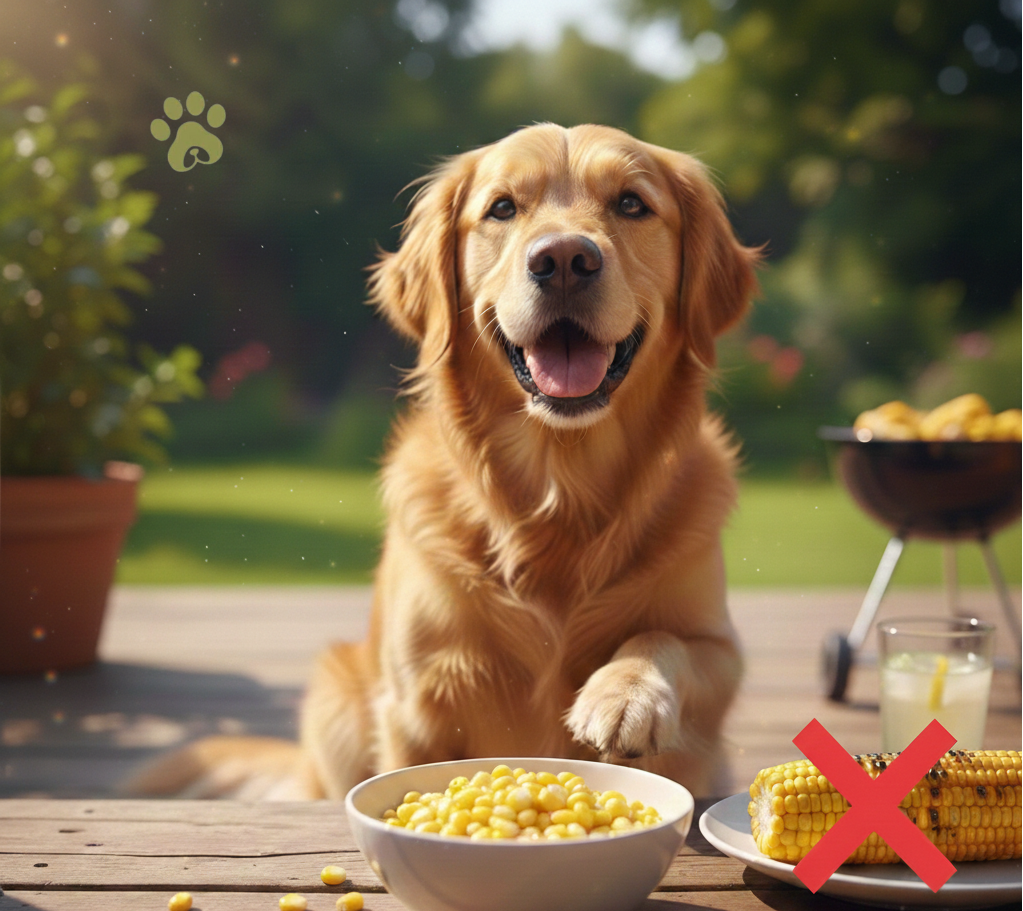
The corn food item is common when speaking of the human diet and it is even present in some foods such as summer barbecues and movie theatre snacks. Granted, as a pet owner, you will most probably pose yourself the question, can dogs eat corn? Yes is the only answer to it, provided it is cooked, corn can be safely taken by dogs in moderation.
Corn is not a filler as other pet food that sells in boutiques would like one believe that it is, but it includes complex carbohydrates, essential fatty acids, and fibre. However, the conditions of its serving are of the utmost kind. The kernels will not be harmful, and possibly healthy, but the vehicle of delivery, which is the cob or high sodium processed versions, can be harmful to health, to a very large extent.
In order to identify the details of the way of how can dogs eat corn, one should take into account the glycemic index, the digestibility and the shape that the vegetable will have when it reaches the bowl. The most popular disagreement on the field of dog nutrition is the possibility of a can dogs eat corn because it is digestible.

Whereas the outer covering of a grain of corn is made of cellulose that cannot be easily digested by dogs, the inner section contains vitamins. When one asks a question,can dogs eat corn, they generally are asking some one to say yes, which a single corn kernel, having fallen on the ground at dinner, will not injure the dog. Even in most healthy dogs, a few kernels would make a very safe low-fat snack.
However, in addition to the question of toxicity, there is the question of whether can dogs eat corn. The caloric density and the glycemic load should be considered. Even safe food like corn has to be restricted even to diabetic dogs or those which are inclined to overweight. Corn fibre may also help a dog to be satiated since it does not have to overconsume fats to be full.
Nevertheless, when taken in excess, it may make us gain weight due to the high percentage of starch in it. We will now revert to the theme of inquiry in this paper, that is, whether dogs may or can dogs eat corn in various circumstances, in order to ensure that you possess a perfect knowledge that would not put your pet out of the way.
I have to say yes in a resounding and definite manner to the question of whether dogs can eat corn on the cob but the answer of whether the dogs can eat the corn on the cob is no in a resounding and definite manner. This is likely to be the critical distinction that one can make as a pet owner. Whereas it may look like a natural chew toy or a nice treat to be chewed on by a dog, the cob cannot be digested in any way.
When a dog attempts to eat corn on the cob he/she is likely to swallow big chunks of the fibrous woody core. The cob develops a physical plug in the digestive system compared to rather easy to disintegrate or move through kernels.
The primary causes of the blockages in the intestines of canines are the cob fragments that are rough and large. When asking the question whether or not dogs can eat corn on the cob, you must have it in mind that whatever you are giving to your pet must be cut off the kernel before it is given.
It is not just the threat of choking which is a significant problem. The bowel blocking is the real silent killer that will be giving the can dogs the corn on the cob. The cob is known to fatten slightly when in the damp walls of the stomach or bowel because it is such an absorbent that it is even harder to get out.
In addition, the most common question that people ask is; can dogs eat corn on the cob, the same way they lick it? The instinct of a dog is to bite although it is the dangerous behaviour not because of licking. One fierce stroke of some mighty jaw could sever the cob in half, and make a desperate emergency. Therefore the safest stance that an individual can take in relation to can dogs eat corn on the cob is to place the cobs in a dog proof trash can. Always keep them away even on a low-coffee table or a plate on the ground when having a cookout.
The problem with dogs and corn cobs needs no stress. The presence of the corn cob foreign body in the veterinary emergency room is a frequent phenomenon and in most cases, the intervention is painful and expensive to cure. The cobs of corn are not digested in the stomach acid hence the passage is blocked in the small intestine. It leads to complete or partial obstruction, food and water blockage and can also lead to the withdrawal of blood flow to the intestinal tissue.
We are talking of a mechanical and not a chemical problem when we say a dog and a corn cob. The cork of the bottle is the cob. Upon the obstruction becoming complete, the dog will begin to show signs of systemic disease. This may cause perforation as a result of the compression of the cob leading to death (necrosis) of the underside of the intestines. Where there is an intestine perforation, the bacteria and waste get access to the abdominal cavity resulting to a life threatening infection in the abdomen termed peritonitis.
The association between dogs and the corn cobs is one of the reasons why most of the times the exploratory laparotomy is conducted in the veterinary field. It is also exceptionally difficult to see on a normal X-ray due to the density of the cob; this is when compared to metal or bone.
Vets even have to search the gut by searching the patterns of gases in order to know the location of the cob. In case you suspect that your pet had been involved in dogs and corn cobs then there is no time to lose. The larger the length of time the cob spends in the small intestine, the more will be the risk of permanent injury or death.
The risks are enhanced 10 times in discussing about a corn cob with puppies. Puppy and adult dog digestive tracts differ significantly and their gastrointestinal systems are much more sensitive. A bit of cob that would hardly squeeze its way into a Great Dane is by all means an emergency that would put the life of a Labrador puppy or a Yorkie in danger. In addition, puppies have a propensity of swallowing their food, i.e. they are less inclined to cut the cob into smaller pieces, and therefore more likely to choke or tear the oesophagus.
As demonstrated with the example of a growing puppy, the nutritional or recreational utility of a corn cob on puppies is zero with the risk of the high probability of emergency surgery. Puppies are also in the development stage and the body requires the correct proportions of calcium and phosphorus. Eating corn cob fibre that cannot dissolve and filling their small stomachs may lead to nutritional deficiencies in case they take it instead of their usual growth-formula food.
Also, the psychological aspect of a corn cob on a puppy is also an issue. Puppies are familiarising themselves with what they can chew and not. Gifting them a cob makes them realise that there are organic toys, which are fluffy and smell like food. This can lead to them raiding into the compost bin at their later age.
You had better keep the amount of these corn grains to a mere handful of the steamed kernels to be put into their accepted puppy food, unless you wish to give your puppy the taste of corn. Feeding a puppy on a corn cob, in other words, on a puppy, it is best to consider its safety, but not the novelty of a human being.
They are the questions that pet owners have the tendency of asking, particularly when in question whether can dogs eat corn, mostly during the summer season, which is the time when it is at its best. can dogs eat corn in its plain cooked state. It also contains high levels of antioxidants that include lutein and zeaxanthin that is also lucrative to the eyes and fibre that assists in digestion. but sweet is the key-word here; the natural sugars of the sort are even more than those of field corn. It should be noted that this is significant to overweight or metabolically disordered dogs.
Whatever you ask about the can dogs eat corn, sweet corn is one of them; but you must consider how it will be made. Without salt, butter or any seasoning (garlic and powdered onion, etc.), which are harmful or unhealthy to the dogs, people can hardly have sweet corn. Specifically, the onions and garlic can cause hemolytic anaemia in dogs, whereby the red blood cells are destroyed. Seasoning all bagels a bit on sweet corn might be dangerous.
When you are taking sweet corn, then that must be plain. It should be avoided where possible and canned sweet corn is usually brined using heavy sodium. High sodium may result in salt toxicity or in severe cases dehydration. Should you choose the canned corn, make sure that it is no salt added and run it under a good deal of cold water. So, can dogs eat corn? Yes, but medium, put it aside in the corner, and serve it in small portions.
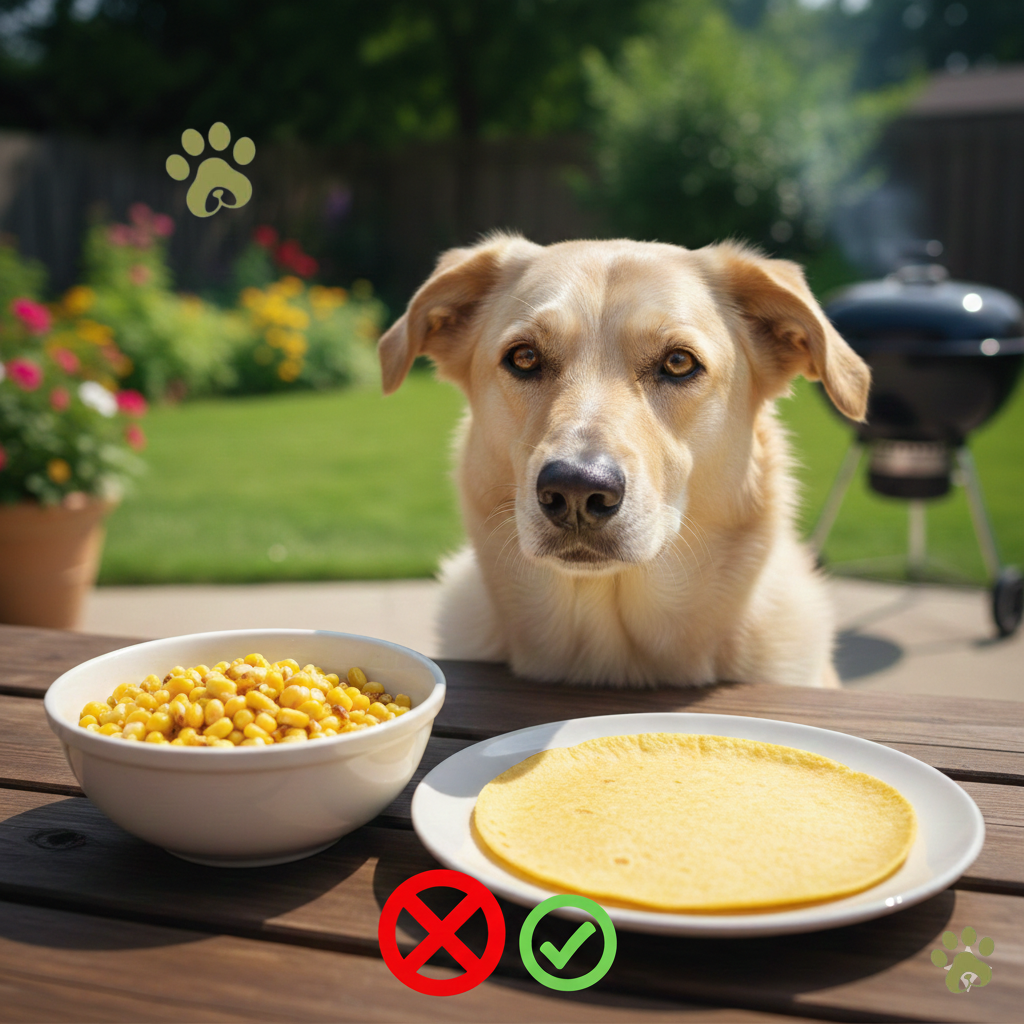
Among the most common questions most households ask when they consume tacos is; can dogs eat corn tortillas? A dog will not be hurt in a large spoonful of a normal corn tortilla, as a rule. However, they are highly unhealthy and pure calories. Most of the tortillas available in a shop contain preservatives, salt and in some cases traces of lime (calcium hydroxide) which were utilised during the nixtamalization procedure.
In this case the analysis of the question whethercan dogs eat corn tortillas must mention ingredients list. The others are cooked in lard or shortening, which caused unneeded fats to the diet of your dog. The first trigger of pancreatitis is the fatty desserts that give rise to painful and dangerous pancreatic inflammatory state. Besides, the fried corn tortillas (chips) contain too much more fats and oils. One chip of tortilla contains more salt than a small dog should be able to eat in a day.
In order that, in case, you are established on the query, can the dogs eat corn tortillas, you will be sure that the tortilla is soft, plain and furnished only as an extremely rare specialty. Do not eat them with tortillas tainted with hot salsas or guacamole (avocado and onions are poisonous). Dog food On the great scale of dog food, corn tortillas are a food that does not really matter, which is not terribly poisonous but certainly not terribly good health-wise.
In conclusion, the issue of dogs and their capability to eat corn is the issue of readiness and moderation. Corn is a safe and fibre food in the event that it is ingested as supplement in the plain off the cobb food to the majority of canine diets. It is nutritious and it crunches well as most dogs like. The perils of the cob, however, are not conditional, it is a great risk of being choked and blocked, and must be exceedingly distant, out of the way of your pets.
The dog is not that bad either to form part of this summer character: all you have to do is cook some kernels, and then leave them plain, without all the salt that the processed ones contain, either in the form of tortillas or chips. The introduction of any new food will be done slowly in order to be able to observe gastrointestinal upsets or allergies.
Being an emergency, the licenced veterinarian is expected to be contacted soon; in case your dog has swallowed a corn cob, or is exhibiting signs of distress following consumption of corn products. You should always enquire of your vet whether there are any substantial changes in the diet of your pet or whether any new human food can be included in the food.
1. can dogs eat corn kernels every day?
While not toxic, corn should only make up a small fraction of a dog’s diet. If they eat it every day, it might displace more nutrient-dense proteins.
2. What should I do if my dog ate a corn cob?
Contact your veterinarian or an emergency animal hospital immediately. This is a medical emergency that often requires imaging and surgery.
3. Is popcorn safe for dogs?
Air-popped, unseasoned popcorn is safe. Avoid butter, salt, and unpopped kernels which can damage teeth.
4. Can dogs be allergic to corn?
Yes. Symptoms include itchy skin, chronic ear infections, and digestive upset. If you suspect an allergy, consult your vet for an elimination diet.
5. Is canned corn okay for dogs?
Only if it is “no salt added.” Standard canned corn has too much sodium for a canine’s kidneys.
6. Can dogs eat frozen corn?
Yes, frozen kernels make a great crunchy treat, especially in hot weather.
7. Does corn cause inflammation in dogs?
For most dogs, no. However, dogs with grain sensitivities may experience inflammation if they consume high amounts of corn.
8. can dogs eat corn bread?
It is not recommended due to high sugar, fat, and potential additives like jalapeños or onions.
9. Why does corn show up whole in my dog’s poop?
The cellulose hull is indigestible. If the dog doesn’t chew it, the kernel passes through looking whole, even if some nutrients were absorbed.
10. Can corn cause pancreatitis in dogs?
Corn itself does not, but corn products cooked in butter or oil (like fried tortillas) can definitely trigger it.



Partner with us for high-paying affiliate deals—join now!