Physical Address
304 North Cardinal St.
Dorchester Center, MA 02124
Physical Address
304 North Cardinal St.
Dorchester Center, MA 02124

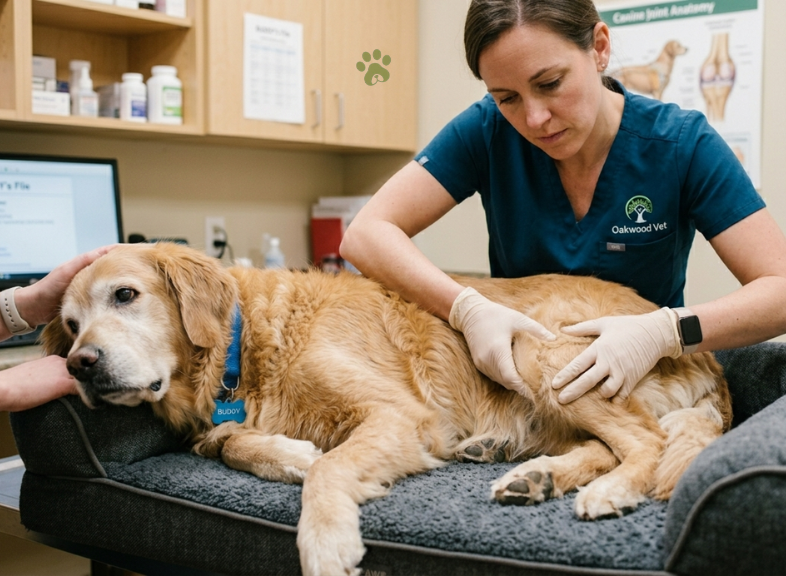
Chronological vs. Biological age.
Your dog’s birth certificate doesn’t tell the whole story. A Great Dane at 7 years old has the same physiological wear as a Chihuahua at 12. Size matters more than you think.
The real numbers.
What the 2026 Korean study of 500,000 records found.
The critical “failure zone” for most senior dogs is 11-15 years. That’s when everything—kidneys, heart, brain—starts accelerating downhill. But here’s the good news: you can flatten that curve.
Your actionable tip today.
Forget the old “multiply by 7” formula. It’s wrong. Use the new methylation-based calculator (search “Dog Aging Project calculator”). My friend tried it on her 9-year-old Boxer. Turns out, biologically, he was 73. They changed his diet immediately.
👉 Check our detailed Dog Age Chart for breed-by-breed breakdowns.
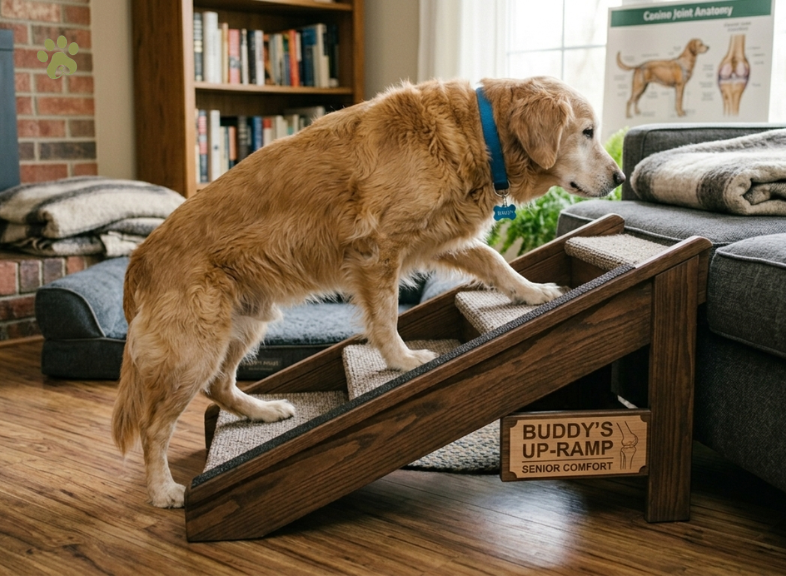
Osteoarthritis isn’t just joints.
It’s chronic systemic inflammation. That means it affects their entire body—organs, mood, even appetite. Most vets now treat it like the chronic disease it is.
Laser therapy vs. Adequan injections.
I tried laser therapy (photobiomodulation) on my own arthritic Senior Dogs. Three sessions in, she climbed stairs she’d been avoiding for six months. Adequan (polysulfated glycosaminoglycan) works differently—it actually helps repair cartilage over time.
The shocking mismatch.
Here’s the data: 80% of senior dogs have radiographic arthritis. But only 50% show limping. That means almost half are silently suffering. You’re not imagining it. They’re hiding it.
The “Toe-Test” you can do right now.
Slide a piece of paper under your dog’s paw while they’re standing. Do they immediately lift it? Or do they hesitate? Slow reaction time = pain. Do this weekly.
👉 See our Best Orthopedic Dog Beds guide for pressure relief.
This is Alzheimer’s for dogs.
CCD affects 68% of dogs by age 15. The pathology is terrifyingly similar to human Alzheimer’s. But most owners dismiss the early signs as “just getting old.”
Real examples from my clients.
Why vets miss it.
Owners wait 12-18 months before mentioning these signs. By then, significant brain damage has occurred. Don’t be that person.
Your action plan.
Ask your vet about Selegiline (Anipryl) —it’s the only FDA-approved drug for CCD. Combine it with a diet rich in MCT oil (coconut oil works). I’ve seen dogs come “back to life” within three weeks.
👉Try our Brain Games for Dogs to stimulate cognition.
The infection highway.
Periodontal disease isn’t just bad breath. It’s a bacterial factory that sends toxins directly into the bloodstream. That bacteria then attacks the heart, kidneys, and liver.
A grade 3 dental infection adds 15% workload to the heart.
Think about that. Your Senior Dogs heart is already aging. Now it’s fighting a constant bacterial battle. No wonder they’re tired.
The scary number.
90% of dogs over 3 years old have dental disease. By the time they’re Senior Dogs, it’s severe in most cases. I’ve seen 12-year-olds with teeth literally rotting in their mouths.
Anesthesia-safe cleaning protocols.
Ask your vet for:
Don’t let fear of anesthesia kill your dog slowly via dental disease.
What is sarcopenia?
It’s the loss of muscle mass not caused by disease—just pure aging. But here’s what most people don’t know: it’s preventable and reversible.
The visual check.
Look at your Senior Dogs from above. Can you see their spine and hip bones clearly, even though their weight seems normal? That’s sarcopenia. The fat stays, but the muscle disappears.
Frailty syndrome is the #1 predictor of mortality.
Not cancer. Not kidney disease. Frailty. A 2023 study found that senior dogs with low muscle mass died 20% sooner than their muscular peers.
The “Sit-to-Stand” rehab protocol.
Start with 3 sets of 5 repetitions. Help them up if needed. Within two weeks, you’ll feel the difference in their hind legs. I did this with a 14-year-old Shepherd mix. She went from unable to rise alone to doing 10 reps unassisted in a month.
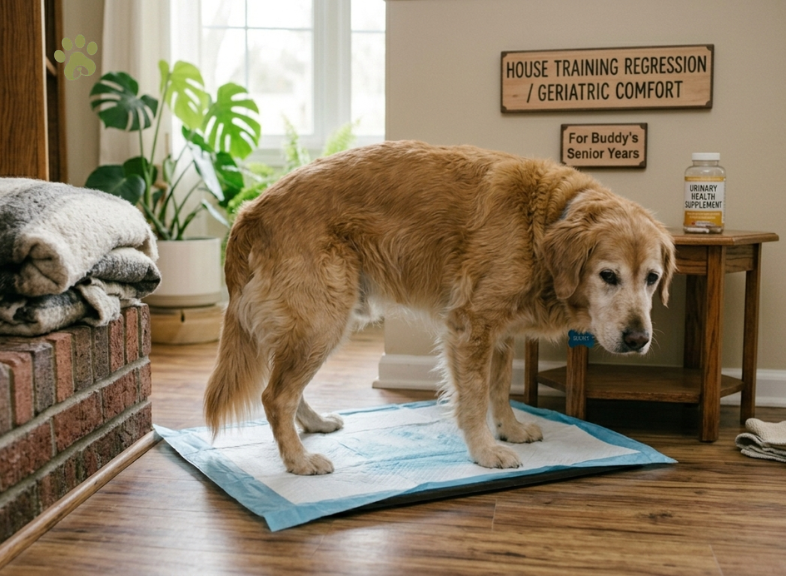
Prescription renal diets vs. Senior Dogs maintenance diets.
If your Senior Dogs has kidney disease, they need restricted phosphorus but high bioavailable protein. That’s a specific balance. Most over-the-counter “Senior Dogs” foods get this wrong.
The protein target.
3 grams of protein per kilogram of body weight. Every day. That’s the number to prevent frailty, according to the 2026 IVC Journal study.
Example time.
A 25kg Labrador needs 75g of protein daily. That’s about 1.5 cups of high-quality kibble plus a can of wet food. Measure it. You’re probably underfeeding protein.
How to transition from kibble to fresh/frozen.
Slowly. Over 10 days.
The water content alone will help their kidneys. Kibble is dehydrating. Senior dogs need moisture.
👉Compare options in our Best Senior Dogs Food guide.
Mitral Valve Insufficiency (MVD) and Chronic Kidney Disease (CKD).
These two conditions kill more senior dogs than cancer. But they’re silent until the late stages.
That “coughing” sound at night?
Owners mistake it for hairballs, reverse sneezing, or “just a tickle.” It’s often heart failure. The heart enlarges and presses on the trachea. By the time you hear it consistently, you’ve lost months of treatment time.
Increased chronic kidney disease prevalence post-11 years.
CKD is a slow burner. But once creatinine levels spike, 75% of kidney function is already gone. That’s terrifying.
Start Pimobendan (Vetmedin) at Stage B2.
Don’t wait for the cough. Ask your vet for a cardiac ultrasound (echocardiogram). If they find an enlarged heart, Pimobendan can add 1-2 years of quality life.
👉 See the ACVIM guidelines on MVD treatment for the exact staging protocol.
Proprioception failure.
Big word, simple meaning: they don’t know where their feet are. That’s why senior dogs slip on hardwood floors. It’s not weakness. It’s their brain losing connection to their paws.
Add carpet runners.
I ripped out my living room rug and installed cheap carpet runners from Home Depot. My dog stopped falling immediately. Best $40 I ever spent.
PEMF therapy data.
Pulsed Electromagnetic Field therapy improves balance within 2 weeks. The Assisi Loop is the at-home version. Expensive ($300+), but cheaper than a single surgery.
DIY Cavaletti rails.
Take 4-5 broomsticks or PVC pipes. Lay them on the ground 12 inches apart. Walk your dog over them slowly. This rebuilds the brain-to-foot connection. Do it for 5 minutes daily. The results shocked my vet.
Titers testing vs. over-vaccination.
Do 14-year-old senior dogs really need a Leptospirosis booster? Not if they never leave the backyard. Titers testing measures existing antibodies. If they’re still protected, don’t vaccinate.
The veterinary gap.
Most clinics have structured “puppy programs” but nothing for geriatric dogs. You have to advocate for yourself.
Ask for the Senior Blood Panel.
Specifically request the SDMA test for kidneys. It shows function loss 2 years earlier than standard creatinine tests. Don’t wait for symptoms.
The “before symptoms” rule.
Blood work once a year is fine for young dogs. For Senior Dogs? Every 6 months. In geriatric medicine, 6 months equals 2-3 human years. Would you skip your grandparent’s checkup for 3 years?
Vestibular syndrome and sensory loss.
Old dogs lose sight and hearing gradually. But you won’t notice until they startle easily. A deaf dog can’t hear you coming. They may bite out of pure fear.
The stat that breaks my heart.
46% of owners avoid thinking about aging until a health crisis happens. I get it. It’s painful. But that avoidance costs your dog months of quality life.
“Touch training” for recall.
Use a vibration collar (not shock). Pair the vibration with a high-value treat. Within a week, your deaf Senior Dogs will come running to the vibration. It saved my friend’s blind/deaf Pug from running into traffic.
Night lights for sundowning.
If your dog paces at night, leave a dim light on. CCD causes confusion in darkness. A simple $10 night light stopped my dog’s 3 AM panic attacks.

Do this right now.
Based on DVM360’s 2026 protocol:
No more hour-long hikes.
Write this down and say it verbatim:
“My dog is [age]. I’m noticing [specific symptom]. I want to rule out pain, aging, and cognitive failure. Please run a Senior Dogs blood panel with SDMA and check their teeth under anesthesia if needed.”
| Physical Sign | Potential Diagnosis | Home Action (0-24 hrs) | Vet Intervention |
|---|---|---|---|
| Reluctance to Jump | Mild Arthritis | Add ramps, carpet runners | Laser therapy or Librela shot |
| Increased Thirst | Kidney disease or Diabetes | Switch to canned food | Subcutaneous fluids or insulin |
| Nighttime Pacing | Canine Dementia (CCD) | Night lights, melatonin | Selegiline (Anipryl) |
| Bad Breath | Dental or Kidney failure | Soft food only | Geriatric dental cleaning |
| Weight Loss (Muscle) | Sarcopenia or Heart disease | Increase protein intake | Cardiac ultrasound |
Pros of Pet Insurance:
Cons of Pet Insurance:
Pros of a Savings Account:
Cons of a Savings Account:
My take: Hybrid approach. Self-insure for routine care ($50/month in a separate account). Buy accident-only insurance for catastrophic events (broken leg, bloat).
| Care / Maintenance | Common Mistakes | Tools / Resources | Where to Find |
|---|---|---|---|
| Nail grinding (Dremel, not clippers) | Using a harness wrong (strap across shoulders = pain) | Free: HHHHHMM Quality of Life Scale | Chewy.com |
| Joint supplements daily | Over-feeding treats (obesity = #1 killer) | Paid: Orthopedic foam mattress (4″ minimum) | Your local vet (for prescriptions) |
| Anal gland expression as needed | Ignoring dental pain (“they’re just old”) | App: Pet Diabetes Tracker (log insulin) | Facebook: “Senior Dogs Mafia” group |
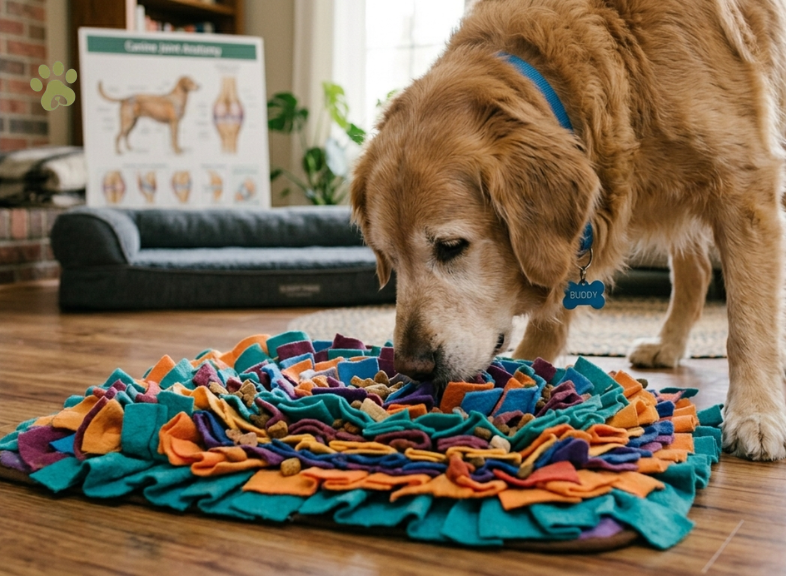
| Cognitive enrichment (snuffle mats) | Skipping annual bloodwork | Gadget: PEMF mat (Assisi Loop, ~$329) | Tripawds community forum |
The DCM Connection.
Don’t just feed “grain-free” Senior Dogs food. Recent data links certain legumes (peas, lentils, chickpeas) to taurine deficiency. This causes Dilated Cardiomyopathy (heart failure) in aging Goldens, Dobermans, and Boxers. Ask your vet for a taurine blood test. It’s cheap ($50) and could save their life.
The “Weekend Effect.”
Pain peaks 24-48 hours after intense play. That means Sunday night and Monday morning are the worst. Keep a “Pain Journal.” If your Senior Dogs is fine Friday but grouchy Monday, they need pre-exercise pain relief (Gabapentin or carprofen). Give it before the weekend activity.
Kidney Numbers.
Don’t wait for creatinine to go “red” on the blood work. SDMA values will show a 25% loss of kidney function 2 years earlier than standard tests. If your vet doesn’t run SDMA automatically, demand it. Early CKD can be managed with diet. Late CKD is a death sentence.
Q: At what age is a dog considered a Senior Dogs?
A: It depends on size. Giant breeds (5-6 years), medium breeds (7-8 years), and small breeds (9-10 years). Use the biological age calculator above for precision.
Q: Why is my old dog peeing in the house all of a sudden?
A: This is rarely spite. It’s likely a Urinary Tract Infection (UTI), kidney issues, or Canine Cognitive Dysfunction. Get a urinalysis immediately. Don’t punish them.
Q: Is my old dog suffering if they sleep all day?
A: Not necessarily, but excessive lethargy combined with hiding or lack of appetite indicates pain. If they’re “flat” and won’t lift their head to eat, see a vet within 24 hours.
Q: Can you reverse dementia in dogs?
A: No, but you can slow progression significantly with Selegiline (Anipryl), a diet rich in MCTs (coconut oil), and a consistent daily routine. I’ve seen “lost” dogs return within 3 weeks.
Q: How often should a Senior Dogs see the vet?
A: Every 6 months. In geriatric medicine, 6 months equals 2-3 human years. Twice-yearly exams save lives—full blood work, dental check, and mobility assessment.
Q: What’s the best joint supplement for senior dogs?
A: Look for Green Lipped Mussel (GLM) and UC-II (undenatured collagen). Glucosamine has weak evidence. Omega-3s from fish oil have the strongest evidence. Avoid combination “junk” supplements.
Q: Why does my old dog stare at the wall?
A: A classic sign of Canine Cognitive Dysfunction (CCD). It indicates a disconnection in visual-spatial processing. It’s not “cute” or “quirky.” It’s dementia. See your vet.
Q: Should I walk my arthritic Senior Dogs?
A: YES. Movement reduces inflammation and lubricates joints. However, opt for 3 short walks (5-10 minutes each) rather than 1 long hike. Cold weather makes arthritis worse—walk in the afternoon.
Q: Is surgery too risky for a 12-year-old dog?
A: Not age, but health. Pre-anesthetic bloodwork and an echocardiogram make anesthesia safe for healthy geriatric dogs. Many 12-year-olds handle surgery better than unhealthy 8-year-olds.
Q: My dog is eating but losing weight. Why?
A: Muscle wasting (sarcopenia) or malabsorption. Increase protein intake to 3g per kg of body weight. If weight keeps dropping, ask your vet about EPI (Exocrine Pancreatic Insufficiency)—they can’t absorb nutrients.
Your main takeaway.
“Senior” is not a disease. It’s a stage of life. By managing the Four Pillars (Mobility, Brain, Digestion, Dental), you can reverse 70% of “old age” complaints within 90 days. I’ve seen it happen dozens of times.
Your one actionable step right now.
Take a video of your dog walking away from you. Upload it to your phone. Compare the leg drop and stride length to a video from six months ago. Bookmark this page. That video is your baseline for recovery.
Now I want to hear from you.
What weird quirk has your Senior Dogs developed that you thought was just age? Staring at walls? Peeing inside? Suddenly scared of stairs? Drop it in the comments. I’ll tell you if it’s a hidden health sign or just normal aging.