Physical Address
304 North Cardinal St.
Dorchester Center, MA 02124
Physical Address
304 North Cardinal St.
Dorchester Center, MA 02124

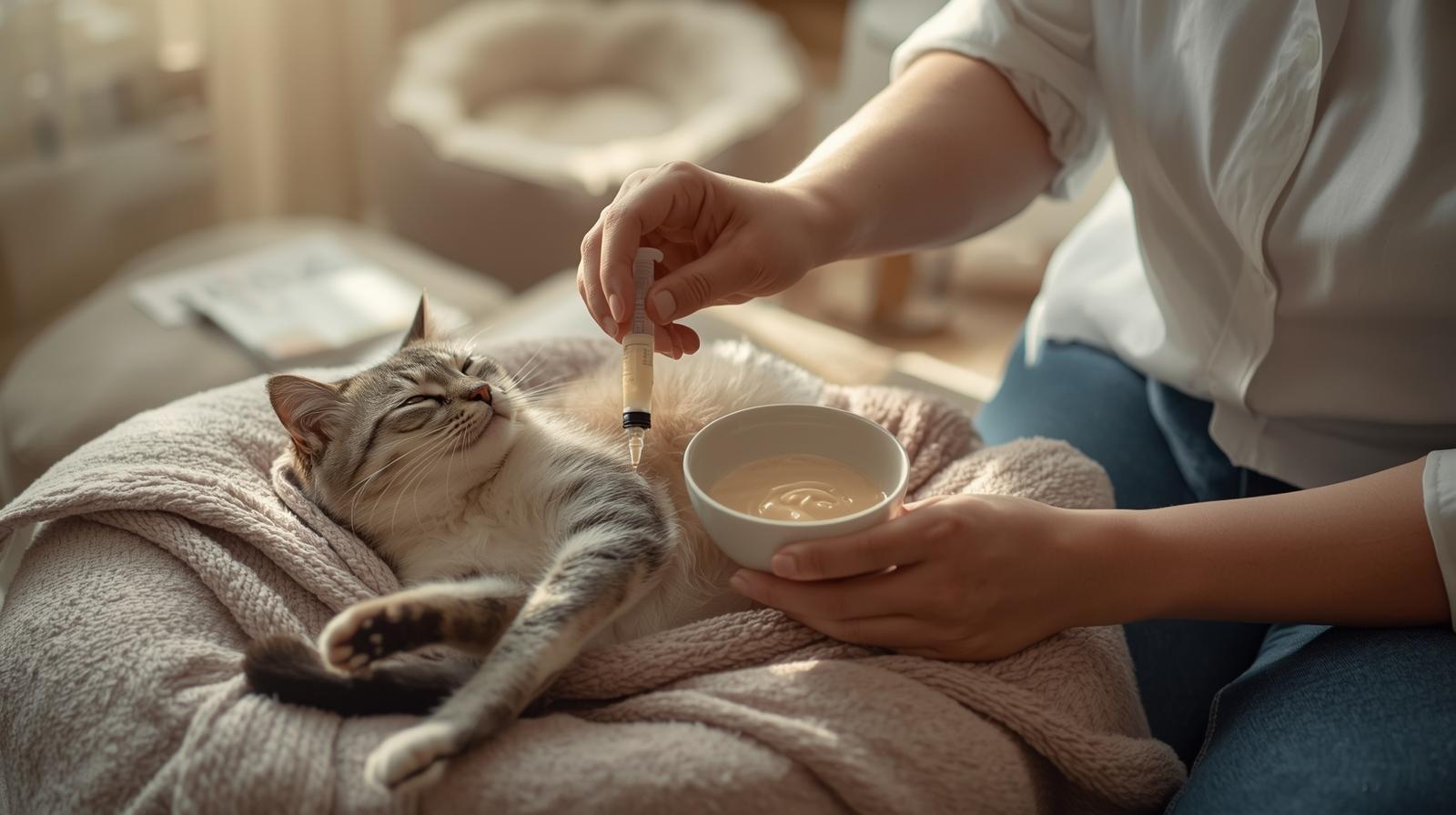
When your cat is sick, it might be hard to eat solid food. At that point, giving sick cats liquid food at home could save their lives. Liquid diets help cats stay healthy, hydrated, and full of energy, whether they are recovering from surgery, illness, or just not feeling hungry.
Feeding a sick cat at home can be stressful, but if you do it right, you can make them feel better and help them heal faster. In this guide, we’ll talk about the pros, safe ways to do it, and how to get ready to give your Liquid Food for Sick Cats at home.
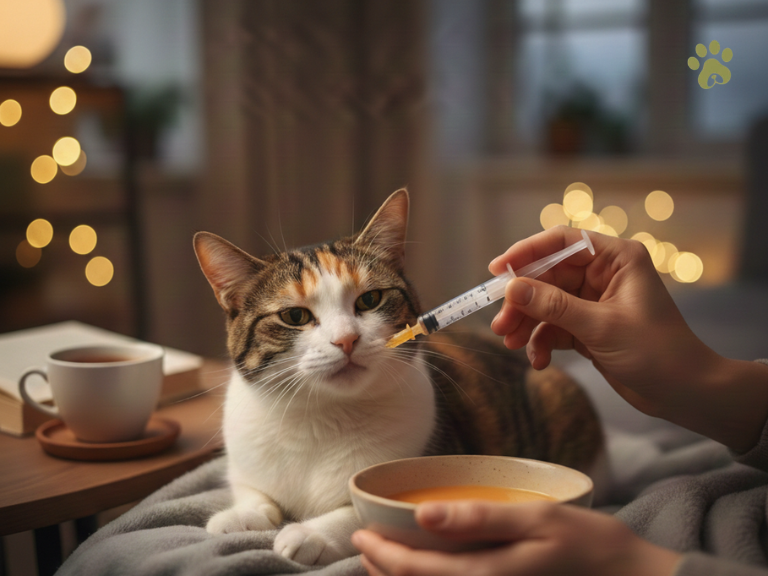
Liquid Food for Sick Cats have a hard time with solid food because they often feel ill or have trouble digesting it. Liquid Food for Sick Cats is easier for the stomach to digest because it is softer and smoother. This silky texture helps with a slow recovery and keeps them from feeling bad by not putting too much stress on their digestive system.
When cats are sick, they are likely to get dehydrated. Giving Liquid Food for Sick Cats at home makes sure they get both food and water. This keeps hydration levels steady, boosts circulation, and helps organs work properly, all of which are important for healing.
If your cat won’t eat, liquid meals can still give them important vitamins, minerals, and proteins. These nutrients help the body heal and make the immune system stronger. Some high-end commercial liquid diets are made just for cats that are recovering from surgery or illness.
If your cat has recently had surgery, had teeth pulled, or is in pain in their mouth, chewing on dry kibble can hurt them.Liquid Food for Sick Cats is easy for them to eat and doesn’t put any strain on them.
Flavored liquid meals can help cats who have lost their sense of taste because of illness or medication get their appetite back. A lot of cats like the smell of tuna, chicken broth, or wet food mixes better than dry kibble.
Some brands, like Royal Canin Recovery or Hill’s Prescription Diet a/d, make liquid food for sick cats that is complete and balanced. These meals are meant to give you water, protein, and energy all at once. They are very helpful for cats who are recovering from surgery or a long-term illness.
If you’d rather make your own liquid food at home, you can use simple, cat-safe things. You can make a healthy, easy-to-digest meal by mixing cooked chicken, fish, or liver with warm water or low-sodium broth. Your recipe should never have salt, onions, garlic, or bones in it.
In addition to food, your vet may suggest giving your cat liquid vitamins or probiotics. These boost the immune system, speed up healing during recovery, and help the gut get back to normal.
Low-lactose cat milk or unsalted chicken broth can be good substitutes for regular meals if your cat won’t eat them. They are nice, calming, and hydrating, and they still have small amounts of nutrients in them.
Mixing your cat’s favorite brand of wet food with warm water will make a thin, soup-like consistency. This makes feeding your cat easier while keeping the taste they already love.
Start with New Ingredients
Always use fresh, high-quality ingredients that are safe for cats. Avoid sauces made with dairy, onions, and garlic because they can upset your cat’s stomach. Turkey, boiled chicken, or white fish are all great base foods.
Mix to make a smooth texture
Put cooked beef and broth without salt or warm water in a blender. It should be smooth and easy to pour. You can change the thickness by adding more liquid, depending on how well your cat can swallow or what they like.
Food that is warm but not hot
Cats usually like food that is a little warm. Heating liquid food to room temperature or a little above makes it smell better and taste better. Always check the temperature before serving.
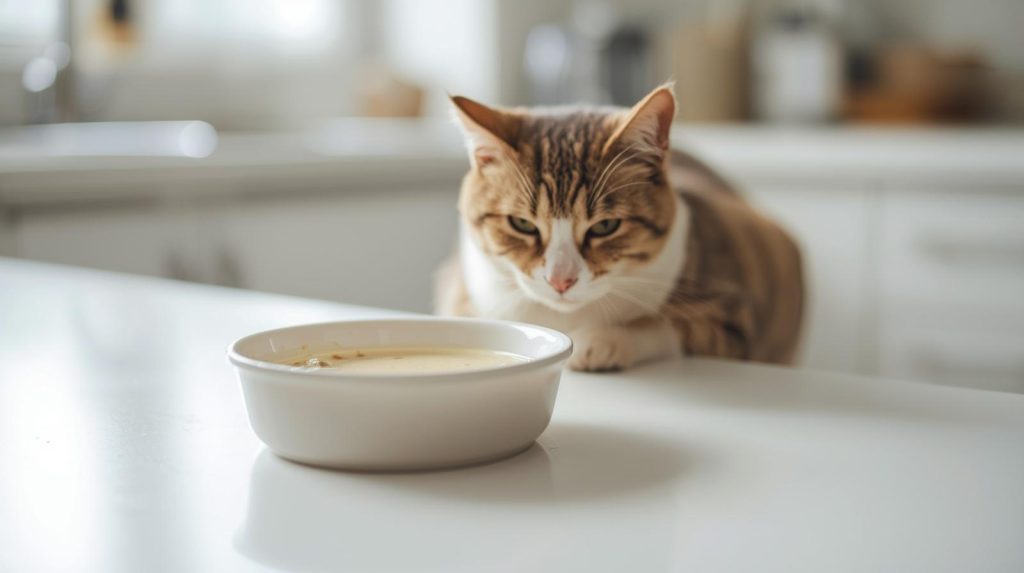
Feed with a spoon or a syringe
If your cat won’t eat on its own, you can use a feeding syringe or spoon to give it small amounts at a time. Move slowly and carefully to avoid stress or choking.
Store Safely and Keep Fresh
If you have leftover liquid food that has been in the fridge for up to 24 hours, gently reheat it before serving. Do not leave food out for long periods of time because warm, damp places can quickly grow bacteria.
Feeding a sick cat takes time and care. The following expert advice will help the process go more smoothly:
If your cat won’t eat for more than 24 to 48 hours, call your vet right away. Long-term malnutrition can lead to hepatic lipidosis, a serious liver disease that is common in cats.
Is it weak or old?
When your cat isn’t feeling well, the right diet could make all the difference. When your cat is sick, giving them Liquid Food for Sick Cats at home is a nice and healthy way to help them get better and stay hydrated. It helps keep energy levels up, soothes upset stomachs, and gives the body important nutrients when solid food isn’t an option.
Before changing your pet’s diet in any way, even if you make your own blends or choose a vet-approved liquid diet, talk to your vet. If you love, care for, and are patient with your cat, they will get their strength and appetite back faster.
Remember that your comfort and focus are just as important to your health as the food. Give your cat safe, tasty liquid foods that will keep them warm and hydrated to show them how much you care.
Important Note: The information provided in this article is for educational and informational purposes only and is not intended as a substitute for professional veterinary advice, diagnosis, or treatment. Every pet has unique health needs. Always consult your veterinarian before making any changes to your cat’s diet or administering home-made Liquid Food for Sick Cats. If your cat refuses to eat for more than 24 hours, please seek immediate medical attention, as prolonged loss of appetite can lead to serious health complications like hepatic lipidosis.
1. Why is Liquid Food for Sick Cats better than solid food for a sick cat?
Liquid food is easier to digest and gentler on a cat’s stomach, especially when they are feeling nauseous or recovering from surgery. It provides essential nutrients without putting stress on their digestive system.
2. Can Liquid Food for Sick Cats help with my cat’s dehydration?
Yes. Since Liquid Food for Sick Cats is moisture-rich, it helps maintain steady hydration levels, boosts circulation, and ensures that vital organs function properly during recovery.
3. What are some vet-approved commercial liquid diets?
Popular vet-recommended brands include Royal Canin Recovery and Hill’s Prescription Diet a/d. These are specially formulated to provide high energy and balanced nutrition for recovering cats.
4. How can I make liquid cat food at home?
You can blend cooked chicken, turkey, or white fish with warm water or low-sodium broth until it reaches a smooth, pourable consistency. Ensure the mixture is free of bones and harmful seasonings.
5. Which ingredients should I strictly avoid in homemade Liquid Food for Sick Cats?
Never include onions, garlic, salt, or dairy (cow’s milk).
These ingredients are toxic to cats and can cause severe stomach upset or red blood cell damage.
6. What is the best way to feed a cat that refuses to eat?
If your cat won’t eat from a bowl, you can use a feeding syringe or a spoon. Administer small amounts slowly and carefully to prevent the cat from choking or becoming stressed.
7. Should the liquid food be served cold or warm?
Cats usually prefer food that is room temperature or slightly warm. Warming the food enhances its aroma, which can help stimulate the appetite of a sick cat.
8. Can I give my cat regular cow’s milk as a liquid diet?
No. Most cats are lactose intolerant, and cow’s milk can cause diarrhea. Instead, use specially formulated lactose-free cat milk or unsalted chicken broth.
9. How long should I keep my cat on a liquid diet?
Liquid diets are typically a short-term solution. Once your cat regains its strength and appetite, you should slowly transition them back to soft or solid food as advised by your vet.
10. When should I contact a veterinarian immediately?
If your cat refuses to eat or drink for more than 24 to 48 hours, contact your vet immediately. Prolonged malnutrition can lead to hepatic lipidosis, a life-threatening liver disease in cats.