Physical Address
304 North Cardinal St.
Dorchester Center, MA 02124
Physical Address
304 North Cardinal St.
Dorchester Center, MA 02124

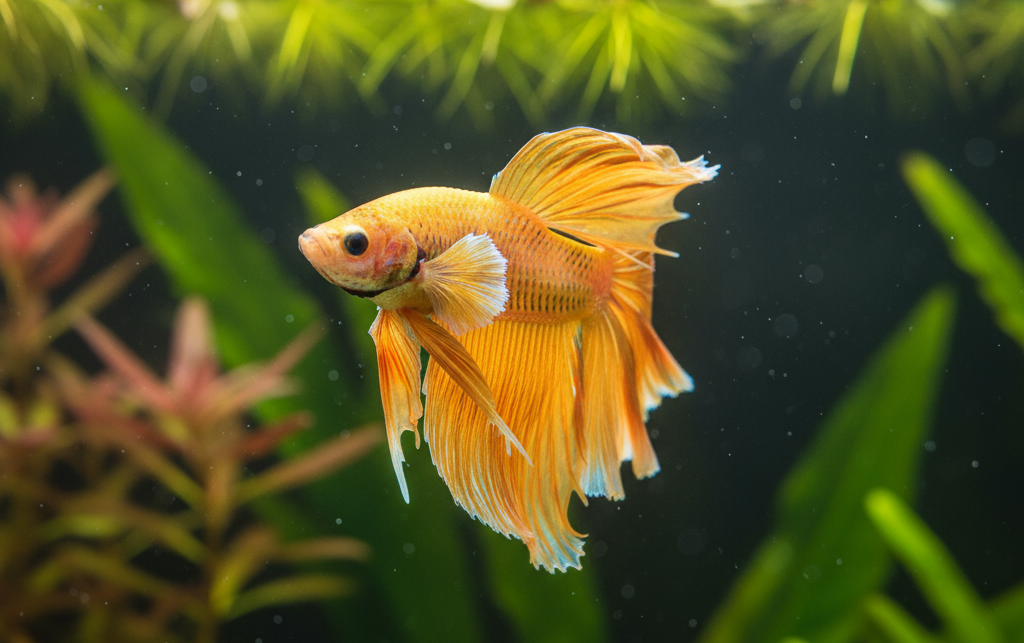
A lot of new fish owners want to know how long a betta fish can go betta fish food. Your betta’s health needs to know how much they can eat, whether you’re going away for a few days, or they just won’t eat.
Betta fish are tough and can adapt, but that doesn’t mean they can go betta fish food for a long time. This guide will tell you exactly how long betta fish food, what affects that time, how to get your pet ready for short fasts, and how to keep your fish healthy even when you’re not home.
Before you can figure out how long betta fish food, you need to know what it eats in the wild.
Betta fish live in shallow waters like rice paddies and slow moving streams in the wild. They eat small crustaceans, insects, and larvae. This natural diet is high in protein and only happens when food is available.
Because of this way of eating, bettas betta fish food for short periods of time. But knowing how long a betta fish can go without food can help you avoid accidentally starving it and keep it healthy and full of energy, even when meals are late.
A healthy adult betta fish can usually gobetta fish food for 7 to 10 days, but that doesn’t mean it’s safe or good for them. Bettas start using stored fat and muscle for energy after 3 to 4 days. This can make their immune system weaker.
For the best care, don’t leave your betta fish food for more than three to five days on purpose. Your fish could also get stressed, tired, and hurt their organs if they go too long betta fish food. It tells you how long a betta betta fish food, but it’s always better to avoid fasting when you can.
The temperature of the tank is very important for metabolism. A betta’s metabolism speeds up when the water is warm (about 78–80°F or 25–27°C), which makes it use energy faster. When the temperature drops, metabolism slows down, which means that a betta fish can go a little longer betta fish food.
But keeping the water too cold can be bad for your health, so it’s important to keep the temperature stable and warm.
Age and Health
Young and weak bettas can’t go betta fish food for as long as healthy adults can. Young bettas need to be fed often to grow, but older bettas may not have as much energy stored up. So, how long a betta fish can go without food depends a lot on how healthy it is.
Quality of Water
A strong immune system and less stress come from drinking clean water. On the other hand, bad water conditions make it harder for your fish to fast. Your betta will be better able to handle short periods of fasting safely if you change the water regularly and filter it properly.
Eating habits and nutrition
Bettas that eat a balanced diet with lots of nutrients are usually healthier and can handle short periods of fasting better. People who eat too much or eat bad food may have digestive problems or weakness more quickly.
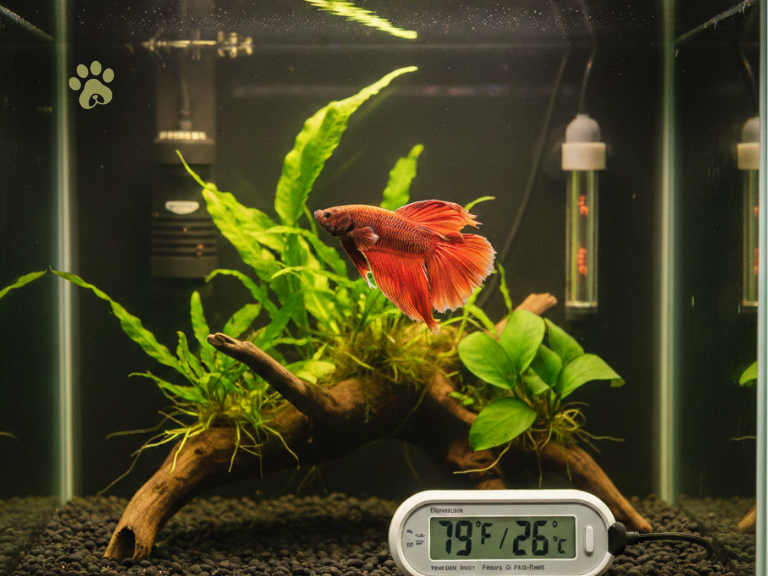
It’s also important to know what happens when a betta fish doesn’t eat, after you know how long it betta fish food.
For the first few days, your betta may act normally, using energy it has stored up. Energy levels drop, activity decreases, and your fish may become lethargic or less responsive after 3 to 5 days.
After a week, you can see signs like faded colour, clamped fins, and weight loss. At this point, your betta is really stressed out. If you don’t eat for more than ten days, you could die or be hurt for life. So, you should never see how long your betta fish food.
There are times when you have to travel or deal with an emergency. If you have to leave your betta alone, you need to get ready.
Please give them a healthy diet before you go.
Give your betta high-quality pellets or frozen food that is high in protein a few days before you leave. This helps your fish store energy and stay full for longer.
Make the aquarium clean.
It’s very important to keep things clean when you won’t be feeding your betta for a few days. Before you leave, do a partial water change, clean the filter, and check the temperature. Good water conditions lower stress and help your fish stay strong.
Get an automatic feeder or ask someone to help you.
If you’ll be gone for more than three or four days, buy an automatic feeder that gives out small amounts of food every day. You could also ask a friend or neighbour you trust to feed your betta in measured amounts so that it doesn’t eat too much.
People often think that betta fish food for a long time.
There are a lot of wrong ideas about how to feed bettas. Many people think that bettas can live for weeks betta fish food, but this is not true. They might live for a while, but they will be hurt physically and emotionally.
Some people believe that bettas can eat plants or algae in the tank when you’re not there. Bettas eat meat, not plants. They need animal protein to live and can’t live on plants alone.
Knowing these myths will help you decide how long a betta fish can go betta fish food and what to do when you’re not there.
If you know the signs of hunger, you can avoid fasting without meaning to. When a betta is hungry, it will swim near the surface and wait for food or chase after small things that float. If your fish won’t eat for a few meals, it could be because it’s sick, stressed, or the water quality is bad, not because it can’t fast.
If a betta isn’t getting enough food, it will look thin, pale, and not move. These signs mean that your fish hasn’t eaten in a long time, so you need to change when you feed it right away.
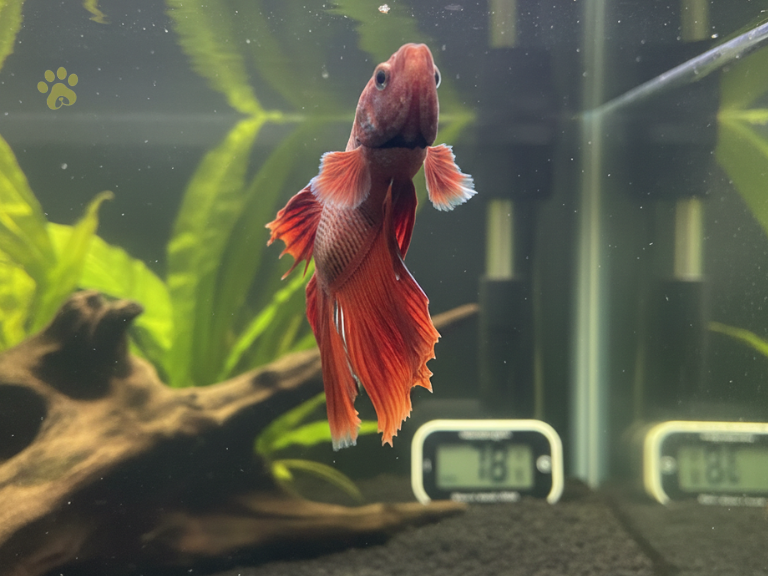
Please don’t give your betta too much food when you get home or start feeding it again. Start with small amounts of pellets or frozen food and work your way up. If you eat too much after fasting, you could get bloated and have stomach problems.
Give your fish two meals a day, each with small pieces that they can eat in two minutes. Slowly get back into your normal routine while keeping the tank clean and the water temperature stable. This helps your betta get better and stronger quickly.
Now you know exactly how long a betta fish can go betta fish food and how to keep them safe while they are fasting for short periods of time. Bettas can go a week without eating, but it’s always best to plan to keep them healthy and stress-free.
Please give them a diet that is high in protein and good quality, keep their water clean, and make sure they have reliable ways to eat when you’re not around. Your betta fish will stay bright, active, and healthy for years to come if you take good care of it.
The information provided in this article is for educational and informational purposes only and does not constitute professional veterinary advice. While Betta fish are resilient, every pet is unique. Always consult with a qualified veterinarian or aquatic specialist before making significant changes to your fish’s diet or fasting routine. The author and publisher are not responsible for any health issues or loss resulting from the use of the information in this guide.
Q1: How long can a healthy Betta fish survive without food?
Ans: A healthy adult Betta can survive for 7 to 10 days without food. However, this is the absolute limit; for their safety, you should never intentionally leave them without food for more than 3 to 5 days.
Q2: Will my Betta fish eat aquarium plants if I don’t feed it?
Ans: No. Bettas are carnivores (insectivores). Their digestive systems are built to process animal protein, not plant matter. They cannot survive by eating your aquarium plants or algae.
Q3: Does water temperature affect a Betta’s hunger?
Ans: Yes. Since Bettas are cold-blooded, warm water (78–80°F) speeds up their metabolism, making them hungry faster. In cooler water, their metabolism slows down, but this also weakens their immune system.
Q4: Is it safe to leave my Betta alone for a weekend trip?
Ans: Yes, leaving a healthy Betta for 2 to 3 days is generally safe. Most experienced keepers actually recommend fasting your fish for one day a week to prevent bloating and digestive issues.
Q5: What are the physical signs of a starving Betta fish?
Ans: Signs include a sunken belly, lethargy (clamped fins), faded body colors, and noticeable weight loss. If you see these signs, your fish needs high-quality protein immediately.
Q6: Are automatic feeders good for Bettas during long vacations?
Ans: They can be helpful for trips longer than a week, but be careful. Many automatic feeders drop too much food, which can rot and cause a toxic ammonia spike in the water. Always test the feeder for several days before you leave.
Q7: Can young Betta fish (fry) go without food as long as adults?
Ans: No. Young, growing Bettas have much higher energy requirements and very little fat storage. They need to be fed daily and cannot survive long periods of fasting.
Q8: Why is my Betta refusing food?
Ans: If your Betta isn’t eating, it is usually due to stress, poor water quality, or illness (like dropsy or parasites). Check your water parameters and temperature immediately if they refuse more than two meals.
Q9: Should I “overfeed” my fish the day before I leave?
Ans: Never overfeed. Overfeeding leads to constipation and swim bladder issues. Instead, give them a high-quality, protein-rich meal (like bloodworms or brine shrimp) in their normal portion size.
Q10: How should I restart feeding after my Betta has been fasting?
Ans: Start with small portions. Giving too much food at once after a long fast can shock their digestive system. Feed one or two pellets at a time and observe them before returning to a regular schedule.



Turn referrals into revenue—sign up for our affiliate program today!