Physical Address
304 North Cardinal St.
Dorchester Center, MA 02124
Physical Address
304 North Cardinal St.
Dorchester Center, MA 02124


Feeding your puppy the right food is one of the most important things you can do as a pet parent. The food you give your puppy in the first few months will affect how quickly they grow, how much energy they have, and how healthy they will be in the long run. More and more pet owners are switching from dry kibble to Fresh Pet Puppy Food because it has real, healthy nutrients that help their pets grow and develop.
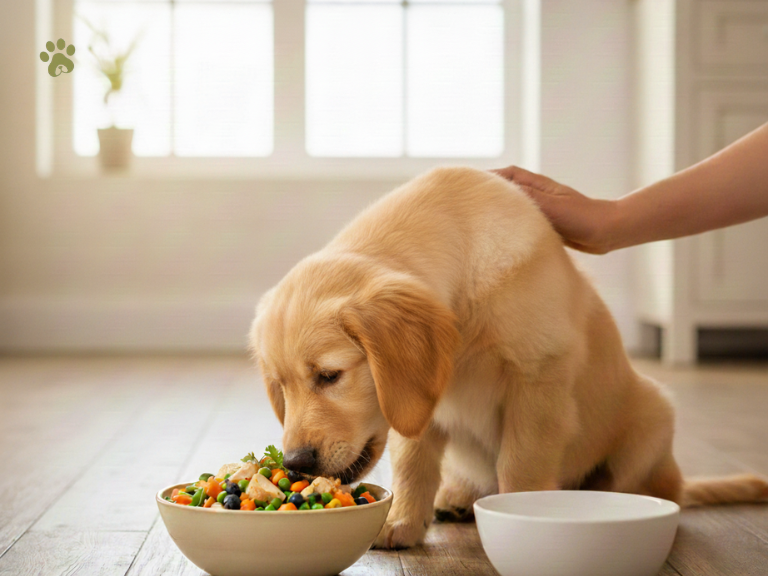
Real meat, vegetables, and nutrients are used to make Fresh Pet Puppy Food. There are no artificial preservatives or fillers in it. It is lightly cooked or kept cold to keep the natural vitamins in it, which makes it more like the diet that dogs were meant to eat.
By prioritizing Fresh Pet Puppy Food, you are ensuring your dog receives high-quality proteins and essential fatty acids that support brain development and a shiny coat. Ultimately, investing in Fresh Pet Puppy Food during these formative months sets the foundation for a long, vibrant life. Let’s look at why fresh food is so important for your puppy as it grows.
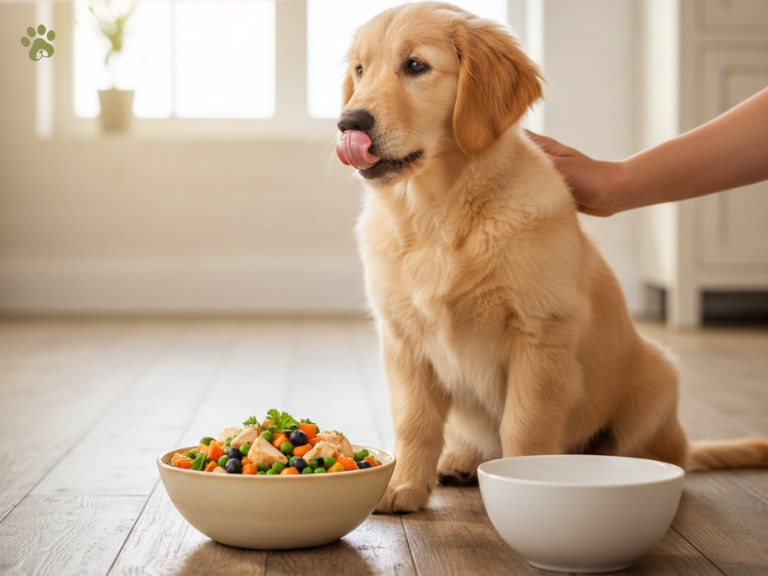
Fresh pet puppy food is made from human-grade foods with little processing, with ingredients filled with vitamins and healthy fats. You can usually find these foods in the refrigerated sections of stores or have them delivered fresh to your door.
The main difference is the quality and freshness of the ingredients. High temperatures are used to process regular kibble, which destroys the natural nutrients and flavors. On the other hand, fresh food is cooked slowly at lower temperatures, which makes sure that your puppy gets the most out of every ingredient.
Lean meats like chicken, beef, or turkey, fresh vegetables like carrots, peas, and spinach, and whole grains or potatoes for energy are all common in fresh food. Essential oils, such as salmon oil, are also added to keep the coat and brain healthy.
Because it keeps its natural moisture and fiber, fresh pet puppy food is easier to digest. Real, lightly cooked food is good for puppies’ stomachs because their digestive systems are still developing. It helps keep them from getting upset stomachs, bloating, or allergies. Because of this, they get more nutrients and have more energy all day.
You can see the health benefits of choosing fresh pet puppy food in just a few weeks.
Puppies grow quickly in their first year, so they need a diet high in protein to help their bones and muscles grow. Fresh food has all the amino acids your body needs to grow and stay healthy.
Some of the main benefits are stronger bones and teeth, stronger muscles, and healthy weight gain without gaining too much fat
Fresh food is easier for your puppy’s body to digest because it doesn’t have any artificial fillers. The high moisture content also keeps them hydrated and helps them digest food easily. Puppies that eat fresh food often have fewer stomach problems, firmer stools, and more energy.
Natural antioxidants, vitamins, and minerals in fresh food help your immune system get stronger. Puppies that eat fresh food are less likely to get sick, have allergies, or get tired.
You will quickly see that puppies who eat fresh food have shinier coats and softer fur. Omega fatty acids and natural oils help their skin stay healthy and stop itching or dryness. A diet full of nutrients also keeps your puppy active, alert, and full of life.
You need to be careful when choosing a brand because there are so many. Check the labels on the ingredients every time.
Look for foods that say real meat is the first ingredient. Don’t eat foods that use vague terms like “animal by-products” or “meat meal.” You can eat fresh chicken, beef, or turkey, whole vegetables like peas, spinach, and carrots, brown rice or sweet potatoes, and salmon or flaxseed oil for healthy fats.
Avoid foods that have added sugars, artificial colors, preservatives, or low-quality fillers like soy or wheat gluten. Giving your puppy clean, balanced food will help them stay healthy and have fewer stomach problems.
People know this brand for its meals made with real chicken and vegetables that are cooked slowly and kept in the fridge. It’s a good source of protein and a good choice for picky eaters. Freshpet’s recipe has eggs in it for extra nutrients and doesn’t have any preservatives in it. The puppies love the smell and feel of the natural stuff.
The Farmer’s Dog makes meal plans just for your puppy based on its age, breed, and level of activity. The meats used to make the meals are of human quality, and they are delivered fresh to your door. Veterinarians check each recipe to make sure it has the right amount of nutrients.
Ollie’s recipes for fresh food use high-quality meat and superfoods. They are cooked just enough to keep their nutrients and are great for puppies with allergies or sensitive stomachs.
Ideas for making your own fresh puppy food at home
Making homemade fresh pet puppy food can be both fun and rewarding if you like cooking for your furry friend. You have complete control over the ingredients, and your puppy will get a healthy, balanced meal every day. You can try these two simple and nutritious recipes at home.
One of the most reliable homemade meals for puppies is a bowl of chicken and rice. Boil one cup of boneless chicken breast until it is fully cooked and soft. After that, mix it with half a cup of brown rice and a quarter cup of peas and carrots that have been chopped very small. Add one tablespoon of oil from olives, about a teaspoon worth, to the mix to give your puppy’s skin and coat healthy fats. Serve it warm and in small amounts so you don’t give too much. This easy meal has lean protein to help your muscles grow, fiber to help your digestion, and natural vitamins to help your immune system.
Mix salmon and sweet potatoes for a meal that is better for you. Cook half a cup of salmon until it is soft and flaky. Then mix it with half a cup of mashed sweet potato. For a further injection of fatty acids known as omega-3, which are good for your brain and coat, add a tablespoon of flaxseed oil. The sweet potato’s natural sweetness makes this meal appealing to even the pickiest eaters, and the salmon is a good source of protein that is easy to digest. Always make sure the fish is fully cooked and has no bones in it to keep your puppy safe from bacteria that could make them sick.
These recipes for your dog not only give them fresh, healthy food, but they also help you bond with them through love and care. Before making homemade food a permanent part of your puppy’s diet, talk to your vet to make sure your recipes meet all of their nutritional needs.
You should slowly switch your puppy to fresh pet food. Changes that happen quickly can upset your stomach.
You should do these four things:
Choosing Fresh Pet Puppy Food is more than just a dietary trend; it is a commitment to your dog’s long-term vitality. By swapping out processed fillers for real meat, vibrant vegetables, and essential nutrients, you are providing the building blocks for strong bones, a healthy immune system, and a shiny coat. While the transition to fresh food requires a bit more care in storage and portions, the visible improvements in your puppy’s energy and digestion make it a rewarding choice for any dedicated pet parent. Investing in high-quality nutrition today ensures a happier, healthier, and more active companion for years to come.
Important Note: The information provided regarding Fresh Pet Puppy Food is for educational purposes only and does not constitute professional veterinary advice. Every puppy is unique, with different caloric needs based on breed, activity level, and underlying health conditions. Always consult with your veterinarian before making significant changes to your pet’s diet or introducing new food types. If your puppy shows signs of lethargy, persistent vomiting, or diarrhea during a food transition, discontinue use and seek professional medical attention immediately.
1. Is Fresh Pet Puppy Food better than dry kibble?
Yes, many experts believe it is. While kibble is convenient, Fresh Pet Puppy Food contains higher moisture levels, more bioavailable proteins, and lacks the heavy processing and artificial fillers found in dry food, leading to better overall nutrient absorption.
2. At what age can I start feeding my puppy fresh food?
You can typically start introducing Fresh Pet Puppy Food once your puppy begins weaning off their mother’s milk, usually around 4 to 6 weeks of age. However, ensure the food is specifically formulated for “growth” or “all life stages.”
3. Does fresh puppy food help with sensitive stomachs?
Absolutely. Because Fresh Pet Puppy Food uses whole-food ingredients and avoids harsh chemical preservatives, it is much easier on a puppy’s developing digestive system and can reduce issues like gas and diarrhea.
4. How should I store Fresh Pet Puppy Food?
Since it contains no artificial preservatives, it must be handled like human food. It should be stored in the refrigerator and typically used within 3–5 days of opening, or kept in the freezer for longer storage.
5. Can Fresh Pet Puppy Food help improve my puppy’s coat?
Yes. The natural oils and high-quality fats found in Fresh Pet Puppy Food promote healthy skin and a shiny, soft coat far more effectively than the rendered fats often used in processed kibble.
6. Is it more expensive to feed my puppy a fresh diet?
Generally, yes. Fresh food uses human-grade ingredients which cost more than feed-grade grains. However, many owners find that the long-term savings on vet bills due to better health make it a worthwhile investment.
7. How do I transition my puppy from kibble to fresh food?
Transition slowly over 7 to 10 days. Start by mixing 25% Fresh Pet Puppy Food with 75% of their old food, gradually increasing the fresh portion to avoid upsetting their stomach.
8. Does fresh food provide all the calcium a puppy needs?
Puppies need a specific calcium-to-phosphorus ratio for bone growth. High-quality Fresh Pet Puppy Food is professionally formulated to meet these exact requirements, which is why it’s better than simply feeding them “home-cooked” scraps.
9. Will fresh food help my puppy’s energy levels?
Because Fresh Pet Puppy Food provides clean energy from real meat rather than “sugar spikes” from heavy carbohydrate fillers, you will likely notice your puppy has more consistent, sustained energy throughout the day.
10. Can I mix fresh food with kibble?
Yes, many pet parents use Fresh Pet Puppy Food as a “topper” to add nutritional value and flavor to kibble. This is a great way to improve their diet if you are on a budget.