Physical Address
304 North Cardinal St.
Dorchester Center, MA 02124
Physical Address
304 North Cardinal St.
Dorchester Center, MA 02124

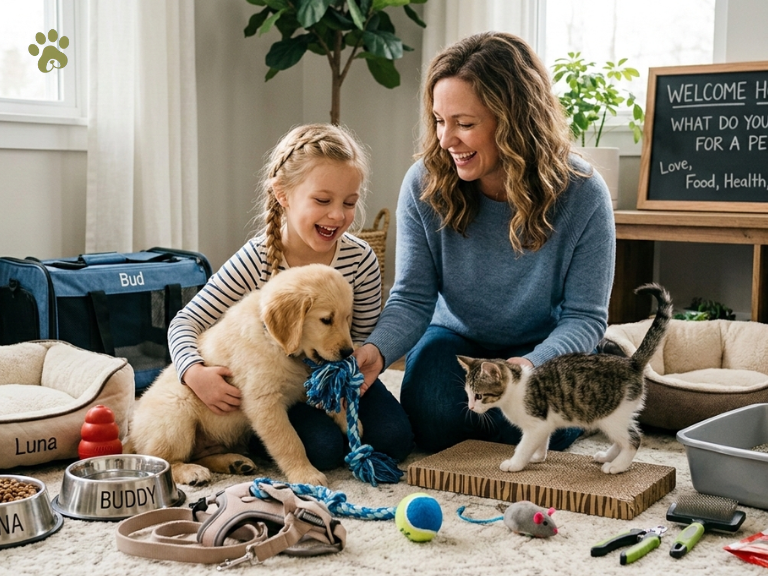
Getting a new pet is one of the most exciting and rewarding things that can happen in life. Getting ready is very important if you want your new pet to feel safe and loved, whether it’s a playful puppy or a cute kitten. “What do you need for a pet?” is a question that new pet owners often ask before making a commitment. Providing food and water is only part of the answer. When considering what do you need for a pet, you must realize that taking care of an animal means being responsible and keeping up with regular maintenance.
This guide covers everything you should know regarding what do you need for a pet to make your home comfortable for your new friend. From budgeting to picking materials, knowing what do you need for a pet ensures a healthy environment. By understanding exactly what do you need for a pet before they arrive, you can ensure a smooth transition. Ultimately, researching what do you need for a pet is the first step toward a happy life together.
Before you go out to get supplies for your pet, it’s important to know what they need. Each species and even breed has different needs for space, food, and care.
Before you get a pet, think about what kind you want. Think about things like how you live your life, how much space you have in your home, and how much time you can spend each day. For example, a Labrador dog needs a lot of exercise and playtime, while a cat needs a comfortable home and places to climb.
Also, think about how much money you have and how much you can afford to pay for things like food, vet care, and grooming regularly. Knowing these details makes sure that you are really ready to take on the happy responsibility of having a pet.
After you choose your dream pet, the next step is to get everything you need to make your home safe for pets. These are the most important things that a pet needs, broken down into groups.
Your pet’s diet is the most important thing for their health. Choose high-quality food that is right for your pet’s size, age, and type. Make sure that the first item on the list is a real source of protein for cats and dogs.
You will also need food and water bowls that are strong and easy to clean. Ceramic or stainless steel bowls are the best because they don’t harbour bacteria. Always have clean, fresh water ready.
You can use healthy snacks to bond and train, but you shouldn’t use them all the time. Constantly talk to your vet before making any big changes to your pet’s diet, especially if they have allergies or other sensitivities.
Your furry friend must have a secure and pleasant area to go to bed. Dogs usually seem comfortable as soon as they drift off in a toasty bed or cage. The felines like to be around sunlight and on toasty blankets, cat plants, and soft chairs. Get a cage or tank that is well-ventilated and big enough for your small pets, like birds, hamsters, or rabbits, to move around and play in. Dogs can use training pads to help them learn how to go outside, but cats need a litter box.
In a cosy, quiet place, your pet will relax and get used to their new home faster.
Safety should always come first when caring for pets. Every pet should wear a collar with an ID tag that has their name, address, and phone number on it. Microchipping is also highly recommended because it permanently identifies your pet if they go missing.
When you take your pet outside, make sure they are on a leash or harness for their own safety and yours. You need a safe carrier or crate for travel or trips to the vet. Remember that pets who have microchips and the right tags are much more likely to be found and returned to their families.
When you groom your pet, they stay clean, warm, and healthy. You will need brushes, combs, and shampoos that are right for the type of skin or coat your pet has.
Nail cutters are important to keep claws from growing too long and hurting. Ear wipes and cleaners that are safe for pets help keep them clean and free of infections. Don’t forget to take care of your teeth. Use a toothbrush and toothpaste made just for pets to keep your gums healthy and your breath fresh.
If you groom your dog often, you may be able to catch health problems like skin irritation, fleas, or lumps early on.
To know what you need for your pet, you need to know what medical care they need. Schedule regular vet visits for deworming, vaccinations, and general health checks.
It is a good idea to have a small first-aid kit with bandages, tweezers, antiseptic wipes, and your veterinarian’s phone number on hand. Use the flea and tick repellents that your vet has told you to, and get pet insurance. It might seem like an extra cost, but in an emergency, it could save you a lot of money.
Taking care of your pet’s health before they get sick is the best way to make sure they have a long and happy life.

Pets, like people, need mental stimulation to stay happy and healthy. Give them a variety of toys to keep them busy. Dogs like chew toys, squeaky balls, and pull ropes, while cats like laser pointers, feather toys, and scratching posts.
Your small pets won’t get bored if you give them interactive feeders, wheels, and tunnels. Enrichment activities are important because they lower anxiety, keep your pet from acting out, and make your relationship with them better.
Training your pet helps them learn how to behave and builds trust. The best way to train is to give praise and treats as rewards. You can use clickers, training goodies, and prizes to reward good behaviour.
Pet gates and training mats are helpful, especially for puppies or pets that live inside and need to learn their limits. Training is not a race; it takes time, patience, and consistency.
If you have a pet, you have to pay for things all the time. You need to plan for monthly costs in addition to the initial costs, which include things like food, bedding, and vet care.
Pet owners usually spend between $100 and $300 a month, depending on the type and size of their pet. This includes food, toys, personal care, and care that keeps problems from happening. Since unexpected medical bills can happen, it’s best to have pet insurance or set aside money for emergencies.
You can give your pet the best care possible without worrying about money by making a budget. This will make sure they live in a safe and loving home.
Making your pet’s home safe and fun
Your pet’s health depends on having a safe and warm place to live. To keep your pets safe, keep electrical wires, poisonous plants, and small things that could choke them out of reach. Keep your medicines and cleaning supplies in a safe place.
Every day, show them love, play with them, and let them exercise. If you stick to a schedule for things like feeding and bedtime, your pet will feel safer and more at ease. To help your pet relax, slowly introduce them to new people or animals.
In a quiet, predictable place, pets can adapt more quickly and avoid problems with their behaviour.
Taking Your Pet on Vacation
If you like to travel, it’s important to get ready before you take your pet with you. Always have your pet’s name, health information, and any prescriptions they may need on hand. Put small animals in a safe, comfortable box. For dogs, use a seatbelt harness.
Give your pet things that make them feel better, like blankets or toys, when they are in new places. Make sure to give them water and breaks on long trips. No matter how you get there—by car, train, or plane—your pet’s comfort and safety should always come first.

In summary, bringing a new animal into your home is a life-changing decision that requires careful planning. When you ask yourself, “what do you need for a pet,” remember that it involves a mix of physical supplies, financial readiness, and emotional commitment. By understanding what do you need for a pet before they arrive, you create a stress-free environment where your new companion can thrive. Ultimately, the best answer to what do you need for a pet is a dedicated owner who is willing to provide a lifetime of love, safety, and high-quality care.
The information provided in this article regarding what do you need for a pet is for general informational purposes only and does not constitute professional veterinary advice. Because every animal has unique health and behavioral requirements, what do you need for a pet may vary significantly based on their specific breed, age, and medical history. We strongly recommend consulting with a licensed veterinarian to confirm exactly what do you need for a pet to ensure their long-term health and safety. The authors are not liable for any actions taken based on the general suggestions provided here.
The most important factor is your lifestyle and time commitment. When asking what do you need for a pet, the answer starts with a realistic evaluation of how much time you can dedicate to exercise, feeding, and companionship every single day.
Yes, “pet-proofing” is essential. To answer what do you need for a pet in terms of environment, you should secure loose wires, remove toxic plants, and set up a dedicated sleeping area or crate where the animal feels safe.
Proper nutrition is the foundation of health. What do you need for a pet includes high-quality food specific to their species and age, along with durable stainless steel or ceramic bowls for both food and water.
Healthcare is a long-term commitment. What do you need for a pet list must include a relationship with a local veterinarian, a schedule for vaccinations, and a budget for monthly flea, tick, and heartworm preventatives.
Grooming needs vary by breed, but generally, what do you need for a pet involves a good brush, pet-safe shampoo, and nail clippers to maintain their hygiene and prevent skin infections.
Absolutely. For safety, what do you need for a pet includes a sturdy collar, an ID tag with your contact information, and a microchip. If it’s a dog, you will also need a reliable leash and harness for walks.
Cleanliness is key for a healthy home. For cats, you’ll need a litter box and scoop; for dogs, biodegradable waste bags are a must. Always include sanitation supplies when considering what do you need for a pet.
Pets get bored just like humans do. To fulfill the requirement of what do you need for a pet, ensure you provide interactive toys, chew treats, or scratching posts to keep their minds active and prevent destructive behavior.
You should always be prepared for a trip to the vet or an emergency evacuation. What do you need for a pet includes a well-ventilated carrier or a car-safe seatbelt harness to ensure they are secure during travel.
Beyond the physical items, the most vital thing you need is patience and a commitment to training. Building a bond takes time, and providing a loving, stable environment is the final piece of the puzzle.