Physical Address
304 North Cardinal St.
Dorchester Center, MA 02124
Physical Address
304 North Cardinal St.
Dorchester Center, MA 02124

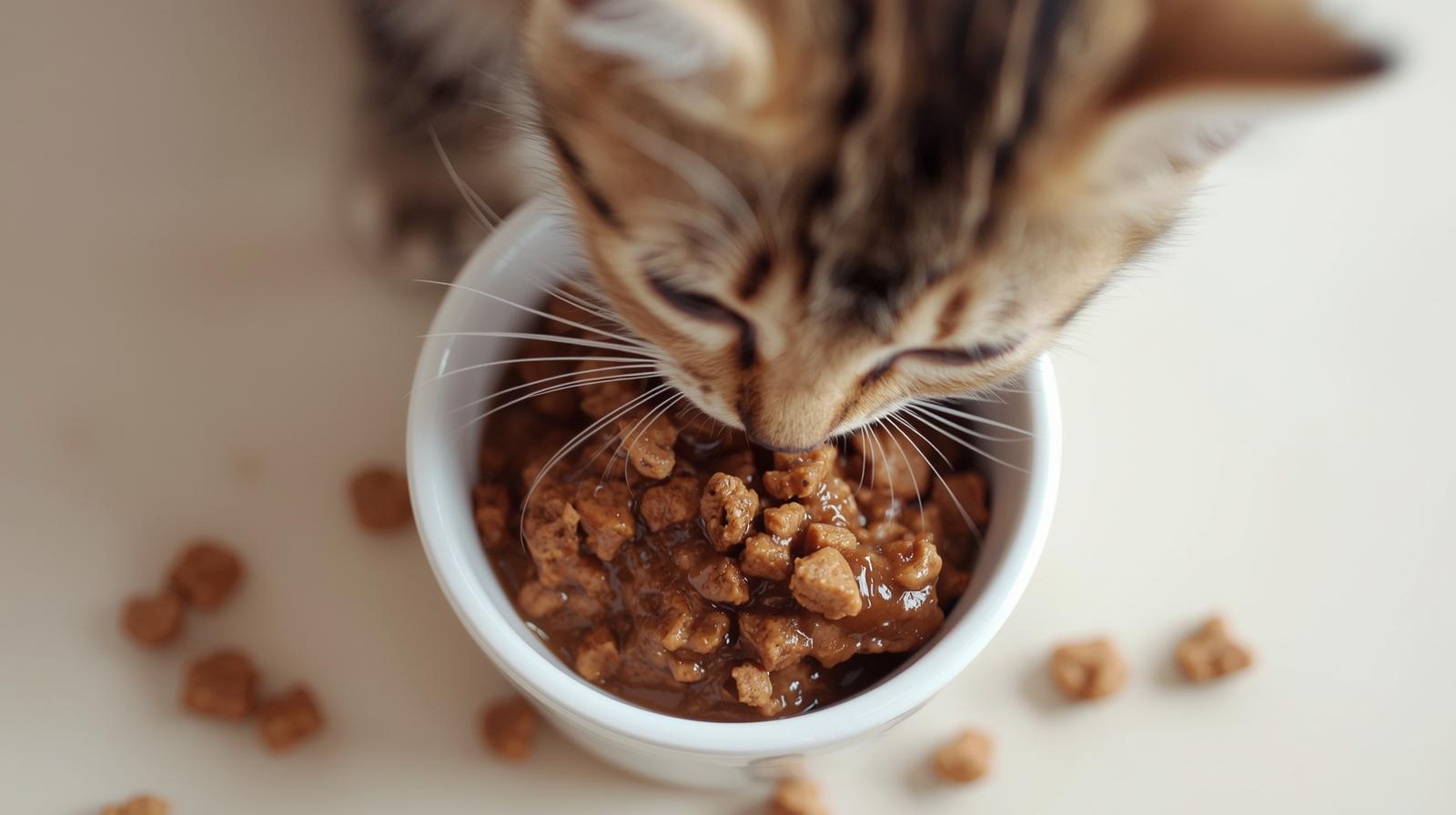
When you bring a kitten home, it’s like getting a bundle of love, curiosity, and sunshine wrapped in fur. But behind that cute face is a growing body that needs the right food to grow and thrive. Giving your kitten the right food during its first year will set the stage for a lifetime of good health, energy, and happiness.
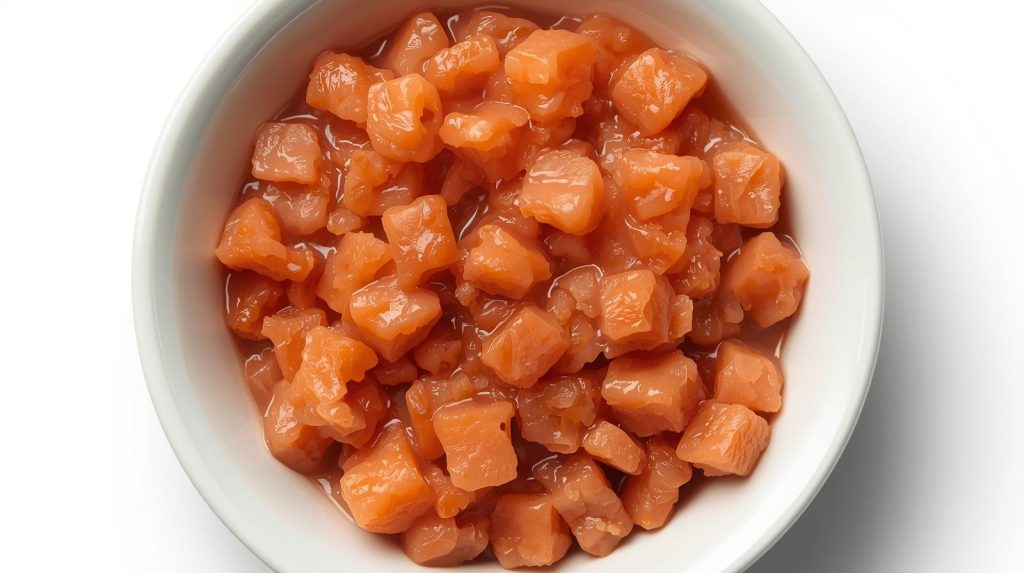
Selecting a high-quality Kitten Specific Wet Food can help with that. Kitten Specific Wet Food is not like regular cat food; it is made just for young cats and has a specific mix of protein, fat, and water to help them grow up healthy. Using a Kitten Specific Wet Food ensures your pet gets the calorie density required for their rapid development. This in-depth guide will cover everything you need to know about Kitten Specific Wet Food, including why it’s important, its benefits, how to choose the best brand, feeding schedules, and brands that experts recommend.
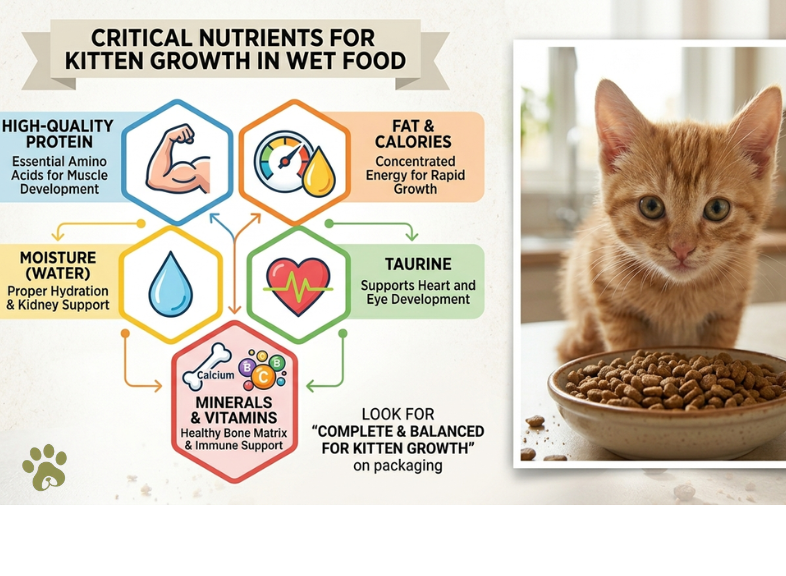
Kittens grow quickly in both body and mind during their first year of life. Their organs, muscles, and bones grow stronger, which means they need more of certain nutrients than adult cats do. Kitten Specific Wet Food provides these nutrients in a form that is easy for them to absorb and contains a high water content. Choosing a high-quality Kitten Specific Wet Food ensures that your young cat receives the precise balance of proteins and minerals required for their rapid development.
Encourages Quick Growth: Kittens can gain two or three times their weight in just a few weeks. Kitten Specific Wet Food, which is high in protein and healthy fats, helps this fast growth by building lean muscle and strong bones.
Making sure they drink enough water is easy: many cats naturally drink less. Kitten Specific Wet Food makes up for it by giving kittens up to 80% moisture, which keeps them hydrated and lowers their risk of getting kidney and urinary problems later in life.
Kittens need soft, easy-to-chew foods because their teeth are small and their stomachs are sensitive. Kitten Specific Wet Food is easier for them to eat and better for their stomach than dry kibble.
Encourages Healthy Eating Habits: The texture and smell of Kitten Specific Wet Food attract picky eaters, making sure they get the nutrients they need. This helps kids learn how to eat well at a young age.
DHA, taurine, and important vitamins found in Kitten Specific Wet Food boost immunity and help the brain and eyes grow, which is important for kittens who are always exploring their surroundings.
In short, Kitten Specific Wet Food is more than just a meal; it’s an important part of their health, growth, and overall well-being.
Kittens are not just small cats; they are growing animals that need special care. Adult cat food is meant to keep cats healthy, not help them grow, so giving it to them can lead to vitamin deficiencies. Wet food made just for cats has more healthy fats, proteins, and calories to provide them with the energy they need.
The soft texture also makes it easier to eat and digest, and the moisture keeps their little kidneys healthy. Your cat needs all the nutrients it needs to grow and be healthy in every meal.
If you know which nutrients are most important, you can be sure to pick the right product.
Protein is what makes growth possible. Check to see if the first ingredient is real meat, like beef, fish, turkey, or chicken. Kittens need 30 to 40 percent protein in their food to grow strong muscles and have lots of energy to play.
Omega-3 and omega-6 fatty acids are important for the growth of the brain and eyes. DHA, which is found in foods like chicken or fish fat, helps your kitten’s brain work better and keeps its coat smooth and shiny.
A healthy diet includes the following:
Wet food makes sure that kittens get enough water, which is good for their kidneys and urinary system, because they might not drink enough water.
A lot of cat owners wonder whether to feed their cats wet or dry food. Damp food is usually better for young kittens, but both might be important.
People want to eat food that is wet because it has more moisture, is easier to digest, and smells stronger. It looks like the natural food that wild cats eat, which is high in protein and moisture. Dry food is easy to use, but it is dehydrated and can be too hard on baby teeth.
You can slowly give your kitten dry food as they get older to help their teeth and gums stay healthy. However, for the first six months, Kitten Specific Wet Food should be their main source of nutrition.
When you look through the aisles of a pet store or an online store, it’s easy to feel overwhelmed by all the options. Here are some things to think about when making a choice:
If the food says “complete and balanced for kittens,” it meets AAFCO standards. The first ingredient should always be real meat, not byproducts. Please stay away from things that have soy or corn fillers, fake colors, or preservatives in them.
Pick companies that have done scientific research and made formulas that veterinarians have approved. Some of the best are:
Give the animal kitten food until it is at least 12 months old. Larger breeds may need it for longer to help their bones grow properly.
If your kitten has diarrhea, skin irritation, or is scratching too much, they may be sensitive to certain chemicals. In these cases, pick a wet food formula that has only one protein or no grains.
Making a feeding schedule for your kitten helps you control their growth and digestion.
6 to 12 weeks: Give them four small meals a day because they use up energy quickly.
3–6 months: You only need to eat three times a day.
Change to two meals a day, with small snacks if you need them, between six and twelve months.
Follow the feeding instructions on the package of food you choose, and change the serving sizes based on how active your kitten is.
Here is an example of a good transition schedule:
Even the most dedicated pet owners can make mistakes when it comes to feeding. To keep your kitten healthy, don’t give them these:
Choosing the right Kitten Specific Wet Food is one of the most significant decisions you can make for your pet’s long-term health. During the first twelve months, kittens require a powerhouse of nutrients to support their rapid physical growth, and a high-quality Kitten Specific Wet Food provides exactly that. This type of diet not only delivers the high protein levels they crave but also ensures they stay hydrated—a critical factor in preventing urinary issues later in life. By starting your pet on a premium Kitten Specific Wet Food today, you are laying the foundation for a happy, energetic, and healthy adult cat.
The information provided regarding Kitten Specific Wet Food is for educational and informational purposes only and does not constitute professional medical or veterinary advice. While feeding a Kitten Specific Wet Food is generally recommended for growth, every kitten is unique. Always consult with a qualified veterinarian before making significant changes to your pet’s diet, especially if your kitten has underlying health conditions or allergies. The author is not responsible for any adverse reactions resulting from the use of Kitten Specific Wet Food or the suggestions mentioned above.
1. Why is kitten specific wet food necessary for young cats?
Kittens experience rapid growth in their first year. Kitten specific wet food is formulated with higher concentrations of protein, healthy fats, and essential minerals like calcium and phosphorus. Adult cat food does not provide the calorie density required to support their developing bones and immune systems.
You can introduce wet food during the weaning process, typically at 3 to 4 weeks of age. Initially, you can mix the wet food with a little kitten milk replacer to create a soft porridge consistency until they get used to solid textures.
While a single meal won’t cause long-term harm, it is not recommended. Adult food lacks DHA (an omega-3 fatty acid) and the specific amino acid profile kittens need for brain and eye development. Always prioritize food labeled specifically for “growth” or “kittens.”
Because kittens have small stomachs but high energy needs, they require frequent feedings. It is generally recommended to feed them 3 to 4 small meals per day to maintain their blood sugar levels and provide steady energy.
Kittens often have a low thirst drive and may not drink enough water from a bowl. Wet food typically contains 75% to 80% water, which helps keep them hydrated and supports healthy kidney function and urinary tract health from an early age.
Look for high-quality animal proteins (like chicken, turkey, or salmon) listed as the first ingredient. Ensure the label mentions DHA for brain development, Taurine for heart health, and no artificial fillers or preservatives.
Wet food is often considered superior for kittens because it is easier to chew with their small baby teeth and provides essential hydration. However, many owners choose a “mixed feeding” approach to give the kitten the benefits of both textures.
Wet food should not be left at room temperature for more than 1 to 2 hours. Because of its high moisture content, it can quickly become a breeding ground for bacteria, which could make your kitten sick.
Once an airtight can or pouch is opened, it should be refrigerated immediately. Leftover kitten specific wet food is safe to use for up to 48 hours if kept in the fridge. Before serving again, let it sit out for a few minutes to reach room temperature, as kittens usually dislike cold food.
There is a common myth that wet food causes tooth decay. While dry food may provide some mechanical scraping, it doesn’t replace dental care. The nutritional benefits of kitten specific wet food far outweigh the dental risks; simply brushing your kitten’s teeth or providing dental treats can manage oral hygiene.